
Workshops · Q1 2026 · English
Andromeda in 2026
2026 Meta Andromeda
Important to watch:
🔴 REPLAY Andromeda masterclass with the ex-Meta Tommaso:
Access: .@5i0j=u
Presentation: https://miro.com/app/board/uXjVJ0EYv50=/?share_link_id=150722972489
How Andromeda thinks (simplified)
Andromeda categorizes ads by:
- Intent level (buy now fast or logical decision)
- Decision speed (quick discount or educational content)
- Trust threshold (they trust you already or they don’t know you)
- Visual style pattern (do all ads look the same or different to the eye)
Intent level
“How likely is this user to buy something like this right now?”
Speed of decision
“If they buy, will it be now… or in 7 days?”
Trust threshold
“How much proof does this user need before acting?”
Visual style pattern
“Do all ads look the same or different to the eye?”
So, in theory, diversity in the 4 points above = Reach new audiences.
What makes more sense and I’m following:
- ABO to find winning concepts
- CBO to expand a winning concept with diversity in format
The problem with a CBO that has 5 different concepts, multi-angle, etc etc
- 2 ads will take 90% of the spend
- If they both talk about → Niche problem “Acne if you’re in your 20s” and with a discount
- The CBO is diversified, but you’re only reaching people in their 20s that have acne and are ready to buy NOW
- So you limit the scalability
- If the top spending ads are “market openers” then it’s fantastic
Retargeting
- Is now called BOF
- RET Creative = Show product, discount, client review
- Delivered mainly to low-hanging fruits (Easy to convert users)
What are new audiences exactly based on the above?
- Block 1 – Fast buyers
- Product + discount
- Gift framing
- Countdown
- Block 2 – Hesitant buyers
- “Why this gift always works”
- Problem → solution messaging
- Block 3 – Trust builders
- UGC stories or experiences
- “I didn’t expect this but…”
- Social proof angle
- Block 4 – Logical buyers
- Comparison vs alternatives
- Cost-per-use , how long will it last, …
CBO_(Low Intent)_(Discount)
→ Put different ad formats
→ one ad is more organic, one ad is multiproduct with snow background, …
Previously my thinking process was in ad formats,
- Let’s make ads for winter sales
- 5 images and 5 videos
- One ad set for images and one ad set for videos
- Potential problem:
If all videos say
“Winter Sales up to 40% off - Start the new year right!”
And I just change the format:
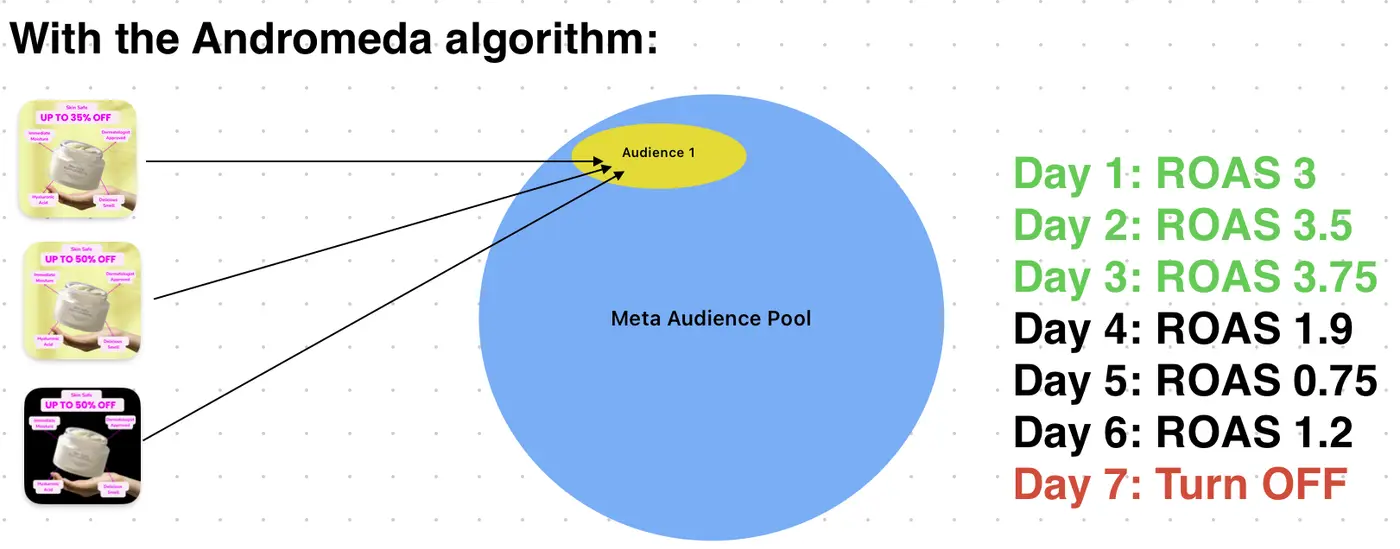
Now it’s clear that creative diversity must happen to reach different audience pools.
But…
NEW CHALLENGE
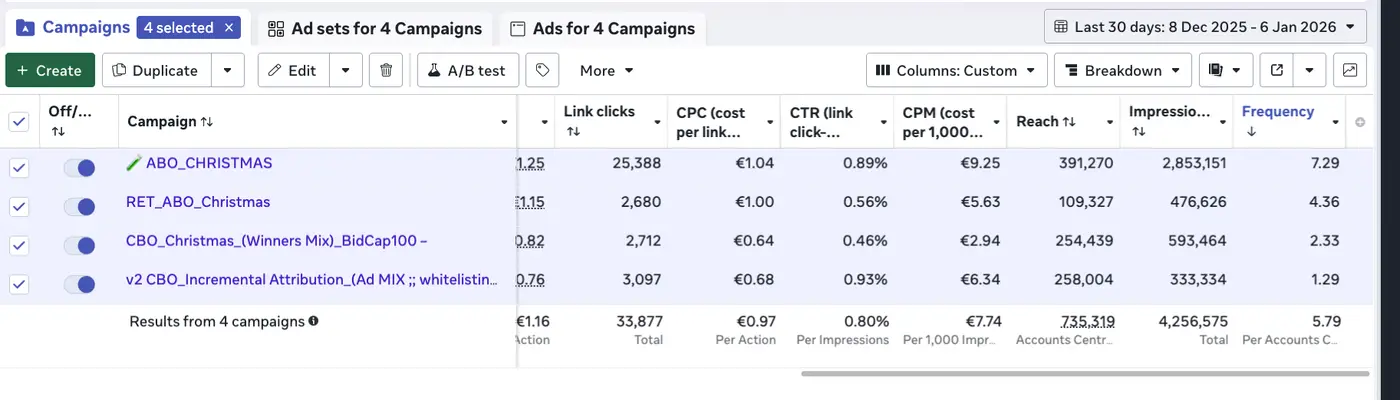
- Image with a discount and social proof
- This will always have the highest ROAS
- It will target high-intent users, with fast speed of decisions and the social proof helps the trust threshold
- But it’s NOT scalable
- We cannot be confused
- I can’t show you the ads, but the conclusion is:
Multiproduct image with a discount → Same audience pool

So with Andromeda, should we only look at the ROAS?
First, just be aware:
- Is this ad targeting easy customers or prospecting?
Meaning, am I ‘stealing’ sales or creating sales?
If I steal sales, ROAS will be huge
If I create sales, ROAS will be average
How to know if you are capturing demand or creating demand?
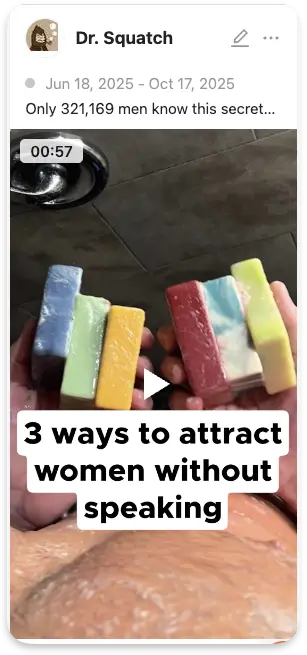
- Frequency and incremental reach
I scale the budget, and keep reaching new people
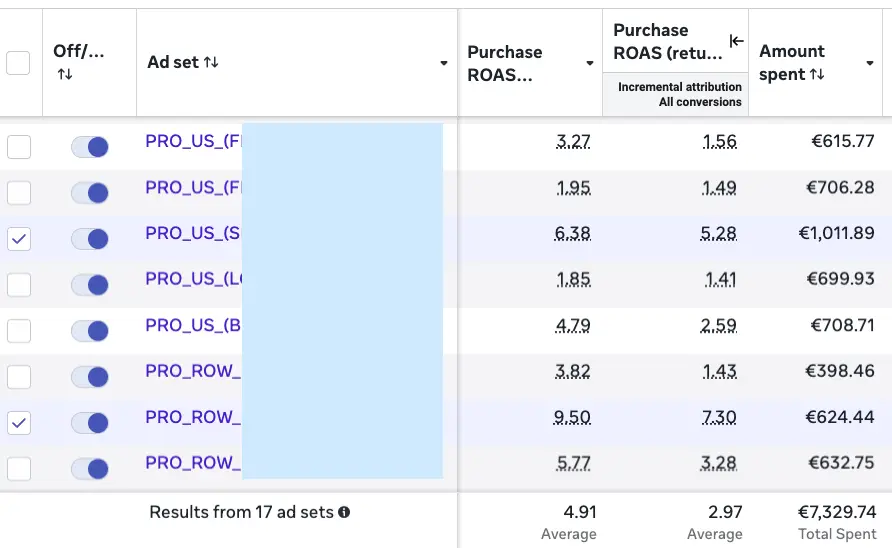
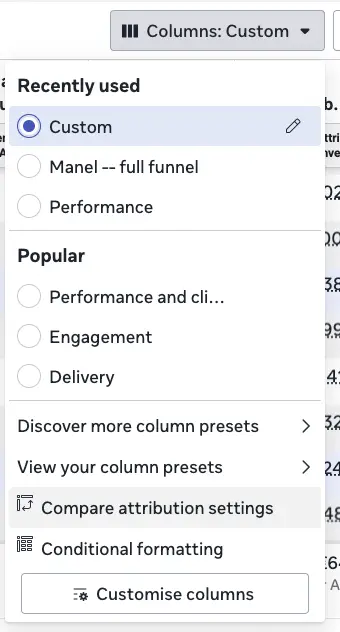
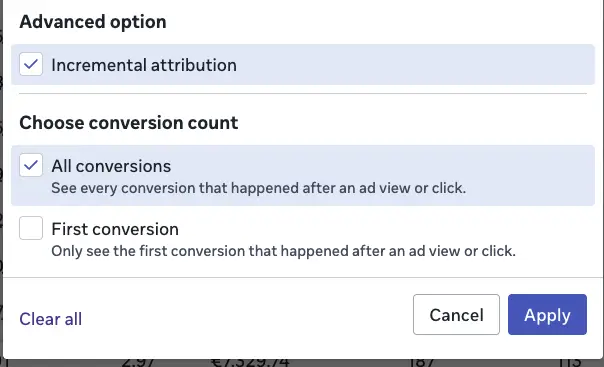
I scale the budget, and cumulative frequency is under 2.5 - Also incremental attribution column
I scale the budget, and the difference between ROAS and incremental attribution ROAS is less than 50%
If we ONLY optimize based on ROAS:
- We end up killing market openers
- We only keep the ads that sell to easy customers
- Frequency goes up and we don’t really scale
Incremental
- Total sales: 10
- Incremental sales: 7
- 7 purchases happened directly thanks to Meta, and without meta ads active, we would only have 3 sales
Interesting case:
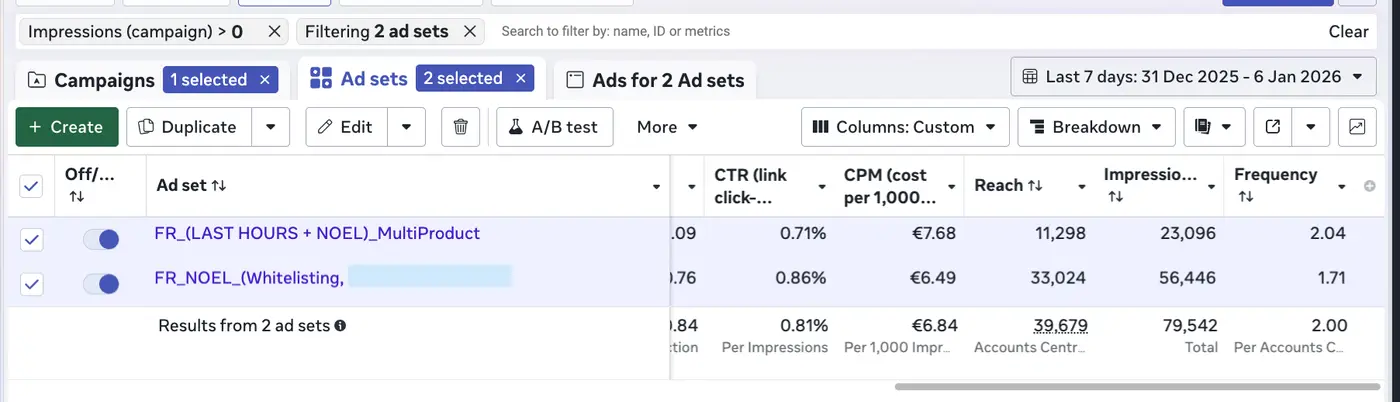
Sum of reach: 44,322
Total unique reach: 39,679
44,322 − 39,679 = 4,643 people
4,643 / 39,679 = 11.7% overlap
Around 12% overlap
“I’m creating 88% new reach”
So 12% of my total unique reach saw both ads.
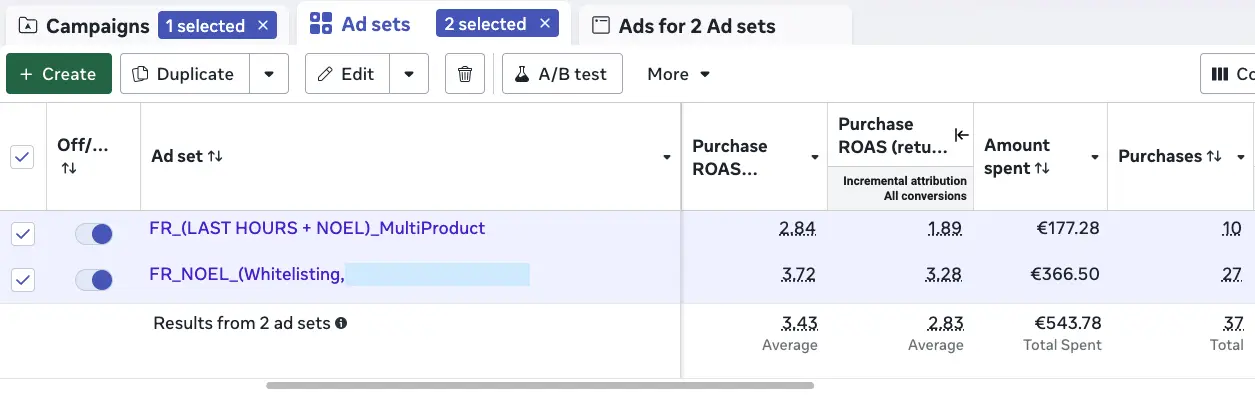
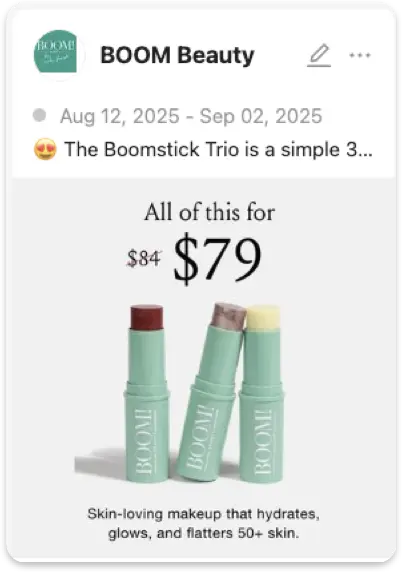
Whitelisting video = More incremental than urgency discount image.