Workshops · Q4 2026 · BFCM · English · Day 1
4 - Trends and Expectations for Q4 2026
Q4 2026 WORKSHOP - DAY 1
Trends and Expectations for Q4 2026
- BFCM 2026 Expectations
- The State of the Economy / Macro
- Early Start? Or waiting for BFCM?
- BNPL
- AI Shopping
BFCM 2026 Expectations
Shopify BFCM Sales Evolution
2019 → $2.9B
2020 → $5.1B (+75.9% YoY)
2021 → $6.3B (+23.5% YoY)
2022 → $7.5B (+19.0% YoY)
2023 → $9.3B (+24.0% YoY)
2024 → $11.5B (+23.7% YoY)
2025 → $14.6B (+27.0% YoY)
2026 → $17-19B (20-30% growth rate)
Online revenue fragmentation
- Amazon
- Shopify
- Tik Tok Shop
- Marketplaces
- In-Person Shopping
Higher CPMs than last year
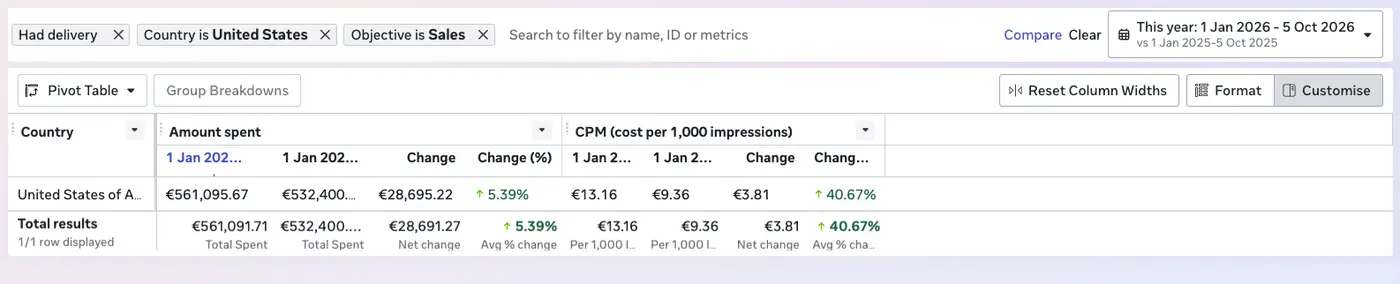
RPM: Revenue per mil
CPMr: cost per 1,000 unique people reached
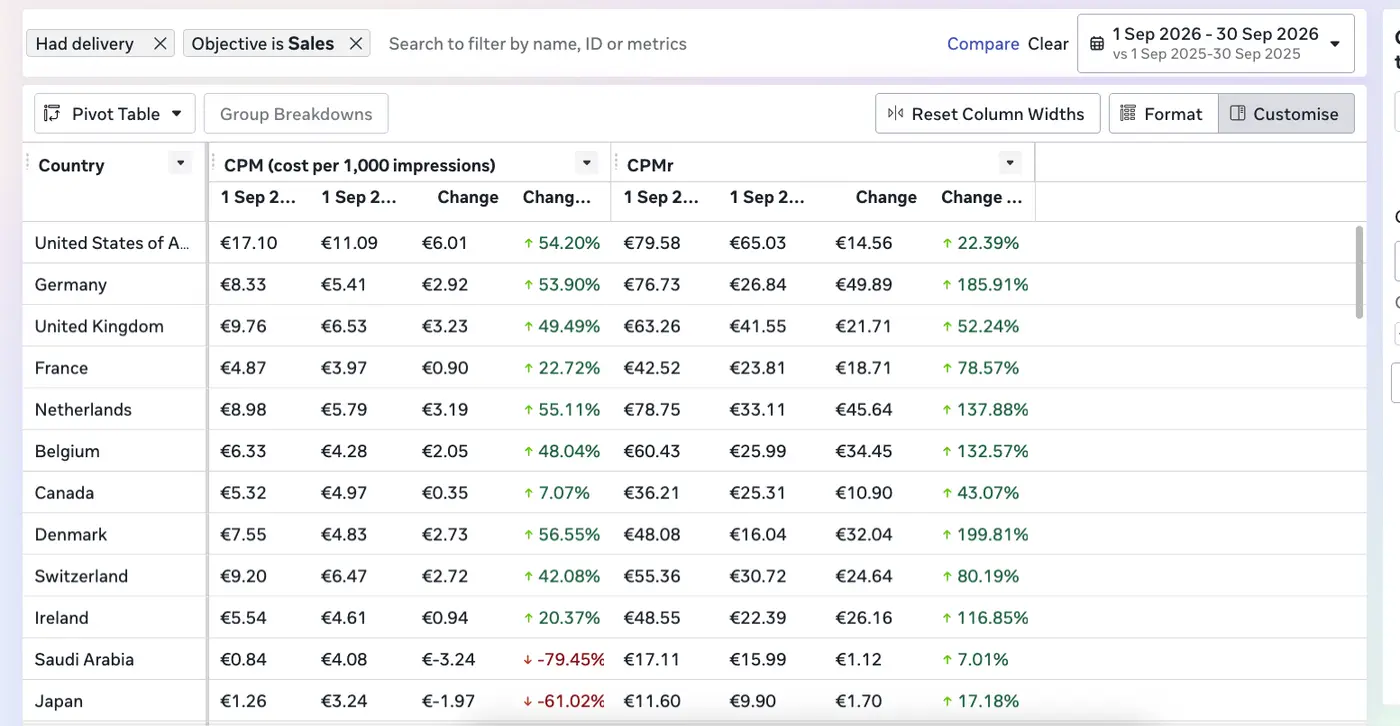
Conclusion, as in 2025:
- Overall revenue will grow
- It will be more challenging than 2020, 2021, 2022
- (That’s why we’re here)
The State of the Economy / Macro
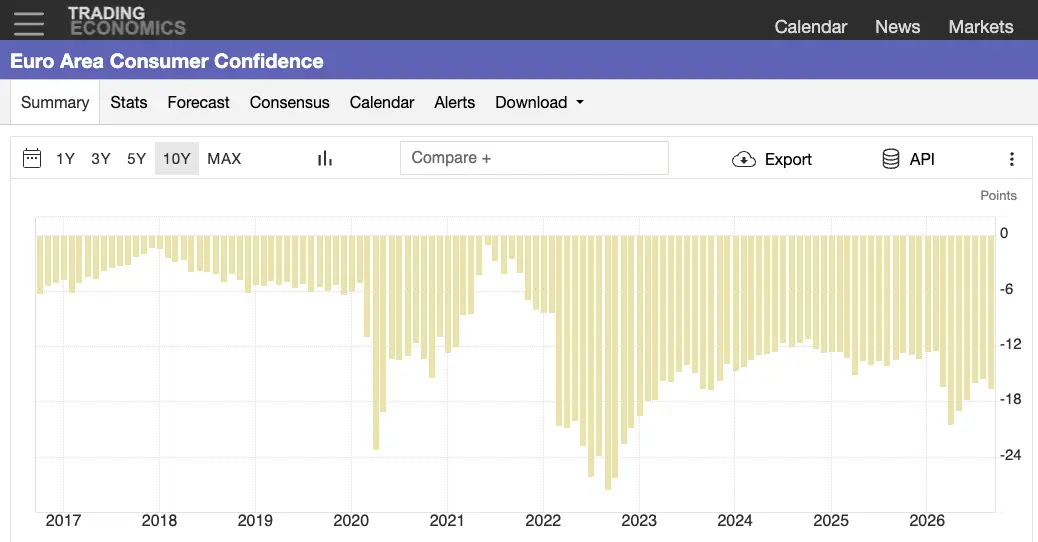
- Consumer Confidence US/EU
- Google Trends
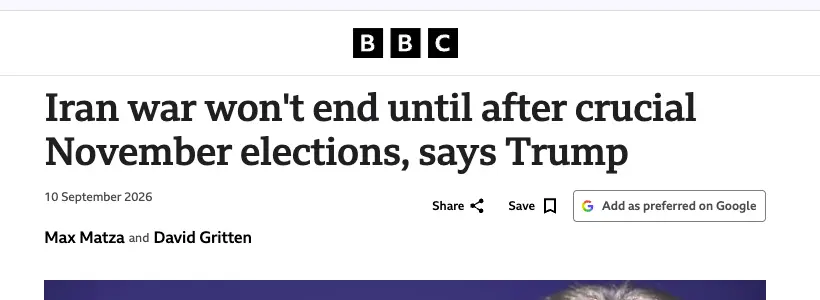
- Events: Mid-Terms, Iran War, Ukraine War
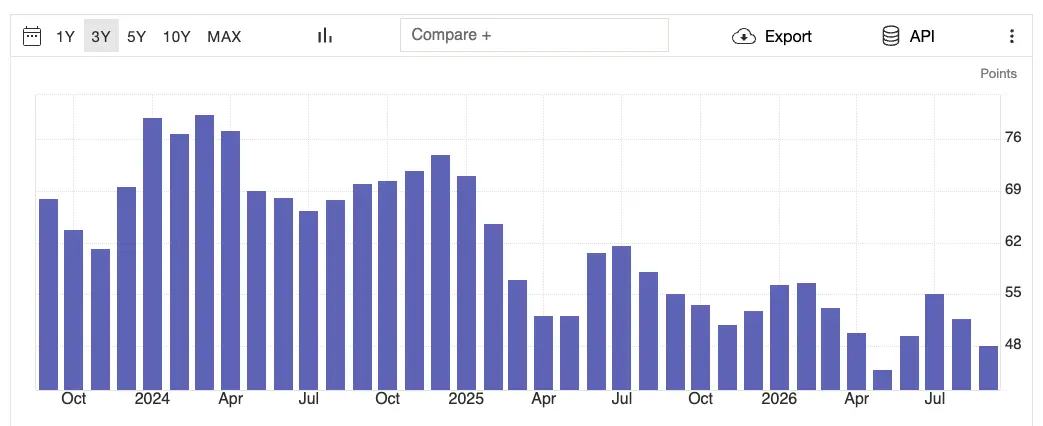
United States Michigan Consumer Sentiment (0-100)
- How do you see your own financial situation?
- How do you see the economy in the short term?
- How do you see the economy in the long term?
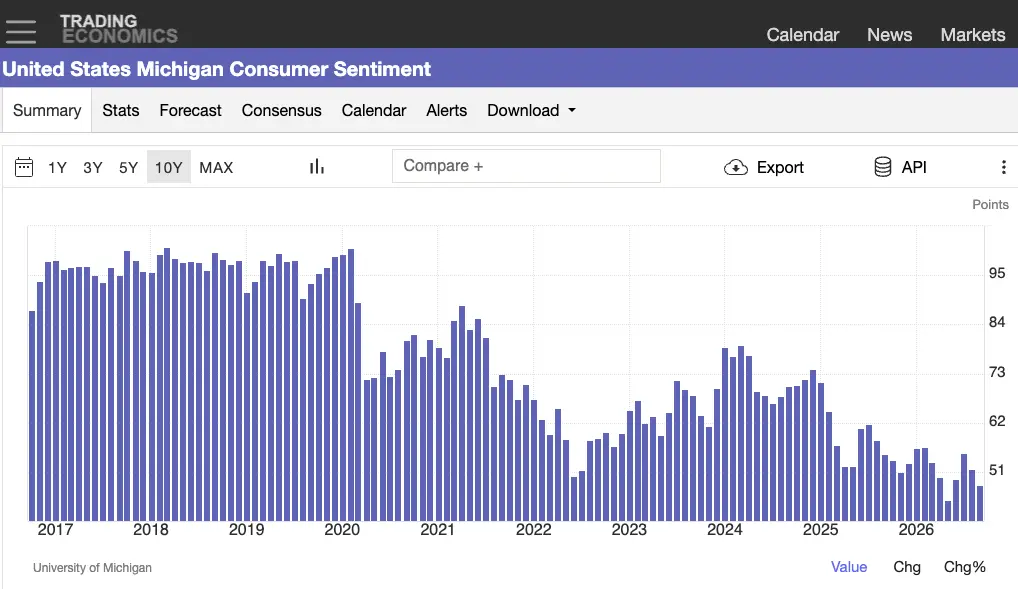
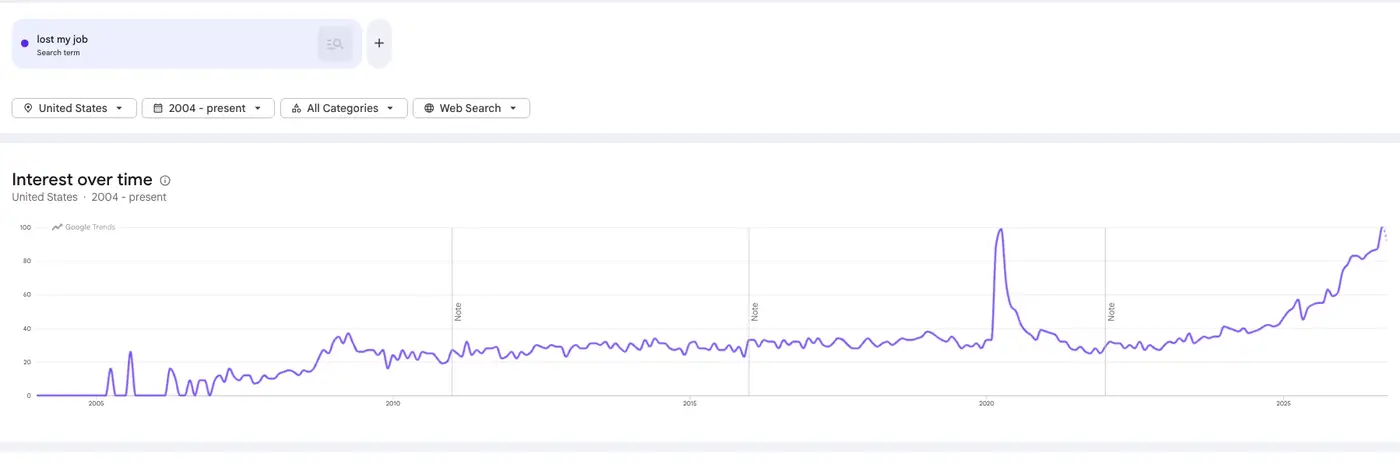
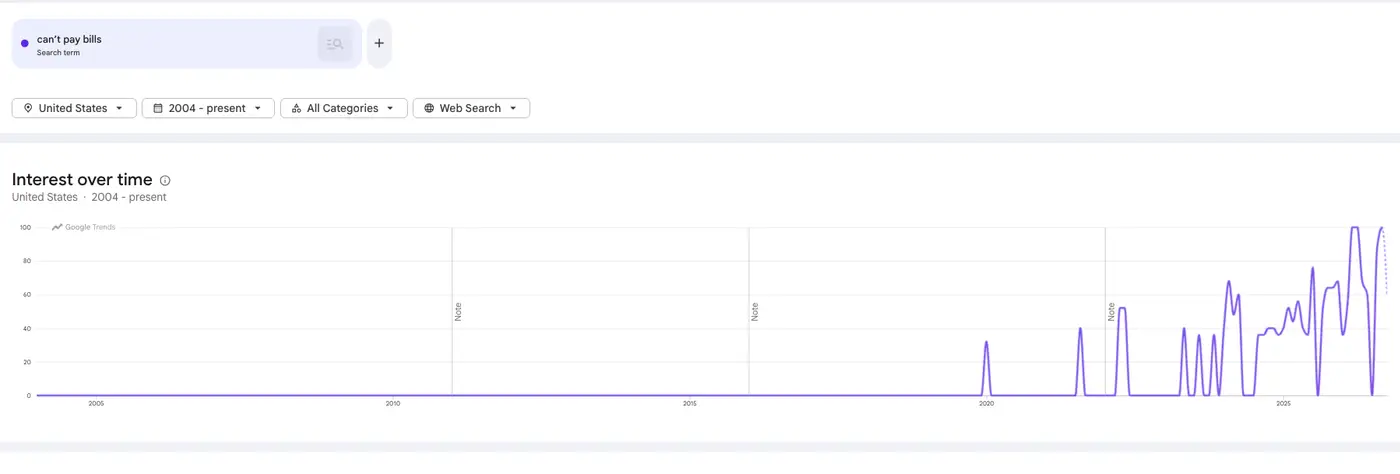
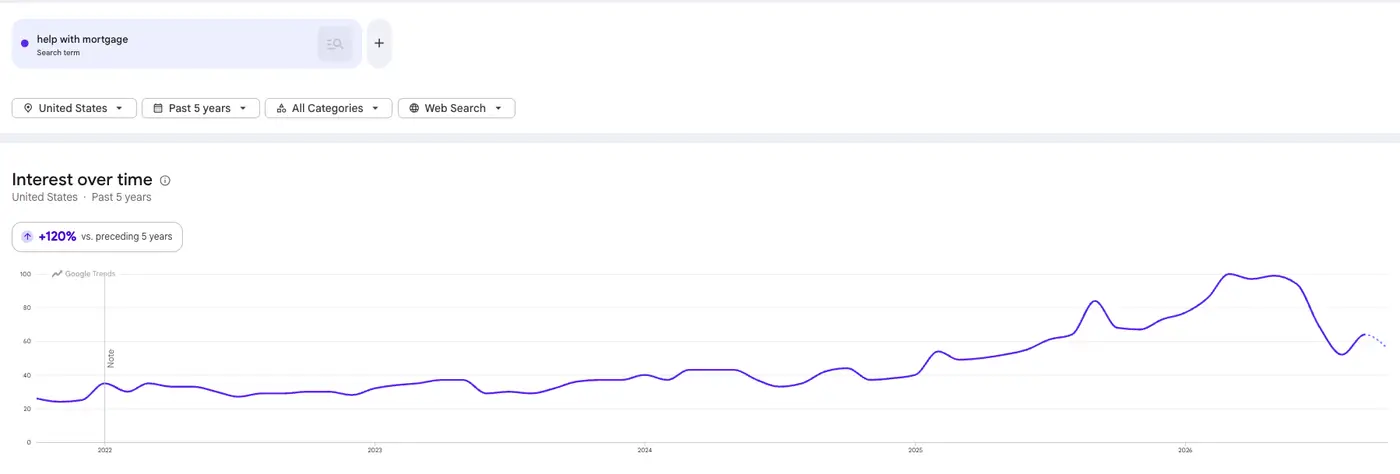
To be honest, the trend is not very positive
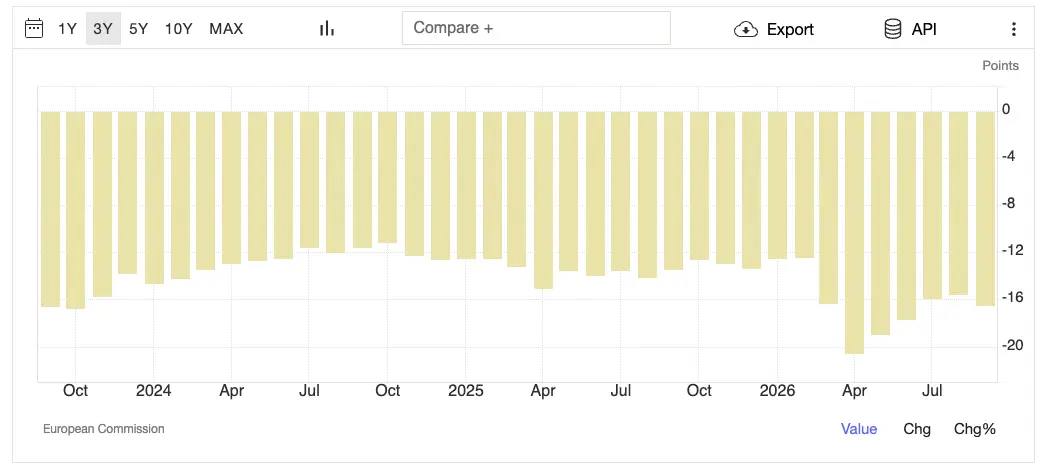
Euro Area Consumer Confidence (-100 to 100)
Last 3Y
USA - “Lost my job”
USA - “Can’t pay bills”
USA - “Help with mortgage”
Iran War
Ukraine War
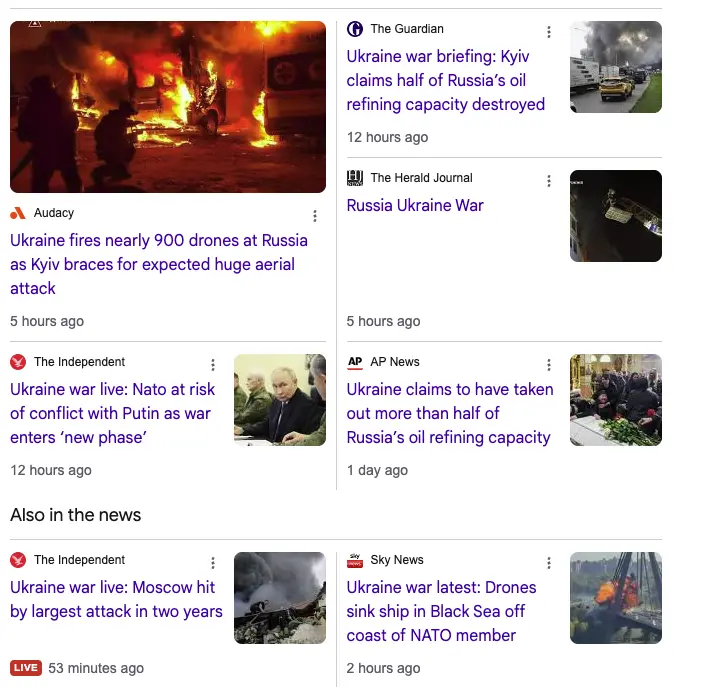
With all of this, I don’t want to be negative, I want to be realistic.
BFCM 2026 will not be as easy as BFCM 2020, or BFCM 2021.
But we can of course still crush it.
- The good thing is that BFCM creates a “micro environment” where many problems don’t matter, they disappear for a few days, let’s say it’s like the World Cup
- Black Friday offers give consumers exactly what they want and expect: offers, discounts, opportunities
- But realistically, there is LESS margin for error
(that’s why we are here)
Early Start? Or waiting for BFCM?
Every year, we face the same dilemma.
“It’s November 15th and people haven’t started buying yet”.
There are 2 types of Black Friday buyers:
1. The Discovery Buyer
“I just found this brand/product, and the deal convinced me.”
- Discovers you during BFCM
- More impulse-driven
- Offer + creative do the heavy lifting
- Higher dependence on Meta finding new buyers
- CPMr / incremental reach matters enormously
2. The Planned Buyer / Wishlist Buyer / Checklist
“I already wanted this. I was just waiting for Black Friday.”
- MOF/BOF
- Discovered you before BFCM
- Already knows the brand/product
- Has mentally shortlisted or wishlisted the purchase
- Pre-BFCM reach, engagement and consideration matter enormously
- The offer + urgency unlock demand that already existed
- BFCM becomes the conversion event, not the discovery event
BNPL: Buy Now, Pay Later
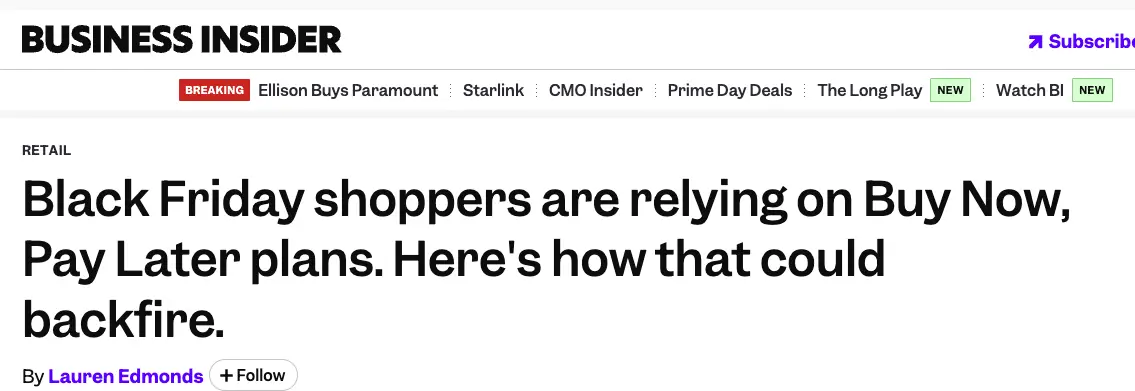
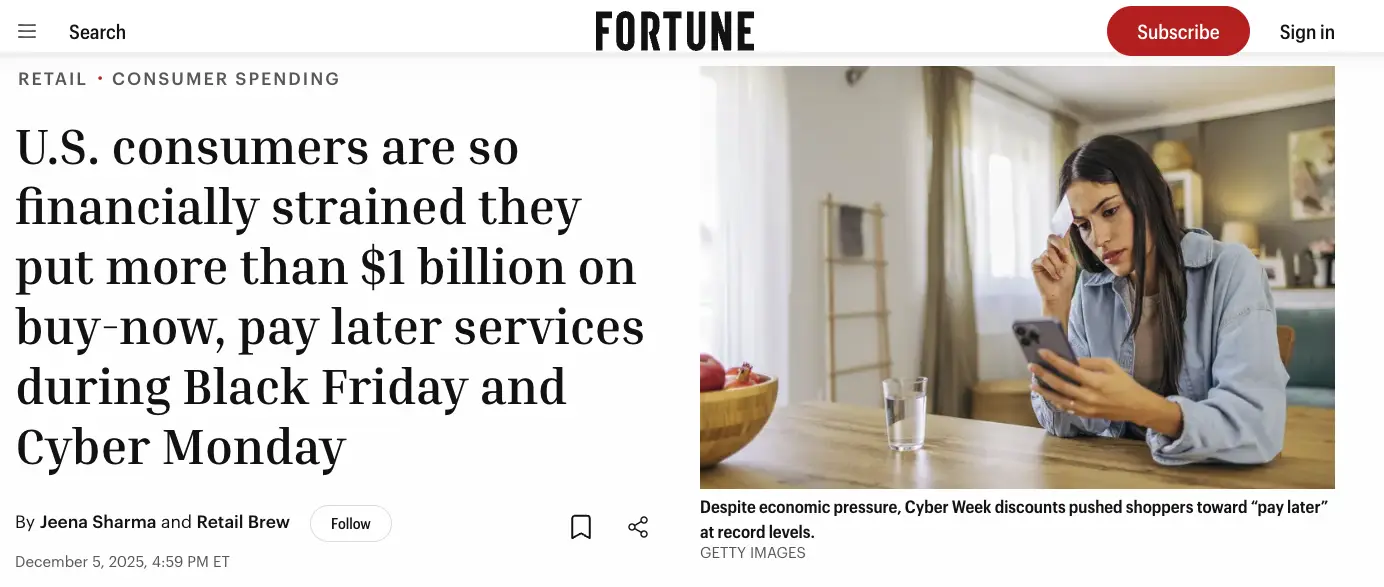
Make the purchasing decision as easy as possible.
AI Shopping
It’s very clear that AI is becoming another product-discovery surface, so make your catalog understandable and recommendable by AI.
Traffic referred by AI models.
“Best boots under $200 for winter?”
“Best sleep supplements for women?”
“What should I buy my girlfriend for Christmas?”
“Is (Brand) worth it?”
“Best Black Friday deals for designer shoes?”
What actions to take?
- Turn on Shopify's AI shopping channels
https://www.shopify.com/blog/chatgpt-shopping?utm_source=chatgpt.com - Make proper long product descriptions
Think like SEO
Men's oversized graphic T-shirt / heavyweight 100% cotton / vintage-inspired design / relaxed streetwear fit / everyday casual wear / $55 - Make PDPs answer buying questions
“Could an AI understand when it should recommend this product?”
Just add a FAQs section - Build external proof
Try to be everywhere.
Reviews, Reddit, YouTube, Tik Tok, X, Magazines, … - Start tracking AI as an acquisition channel
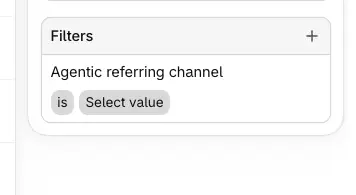
When someone clicks from ChatGPT to a website, the visit can sometimes arrive with identifiable referral information, and in some cases you'll see parameters such as
“utm_source=chatgpt.com”
In Shopify/GA4, look for traffic coming from domains/sources such as chatgpt.com and other AI assistants.
You may see URLs tagged with something like:
utm_source=chatgpt.com
Shopify -> Analytics -> Reports -> Sessions by Refer / Sessions by UTM terms