
Course · Ad Creatives
3) Full Ad Creative Research + Examples
High-Performance Ad Creative System:
3) Full Ad Creative Research + Examples

- The Importance of Ad Creative Research
- Simulate the Customer Journey
- Analyze Reviews
- Competitor's Ads Library
- Social Media Intelligence
- MD + AW + SPH + 7
- Research Conclusions Framework
1) The Importance of Ad Creative Research



Good and Constant Ad Creative Research:
- Will show you HOW to sell your product
- Will show you HOW people want to buy it
- Will show you WHAT is working for other brands
- You’ll discover people’s complaints about your product and about competitors’ products
- Increases your “winner rate” when you test
(How many ads do you need to test to find 1 winner?) - And eventually, allows you to hyperscale
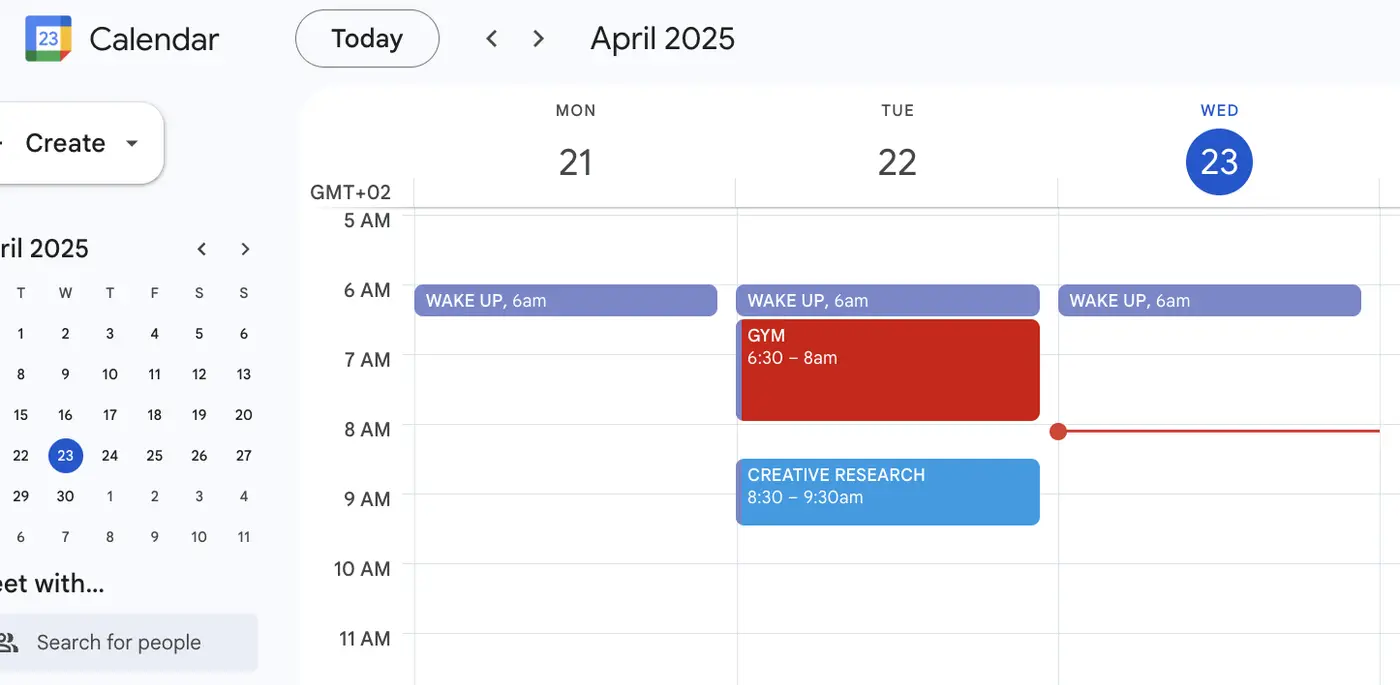
My best advice is to schedule it in your calendar as a weekly habit that you do in 30min/1h.
2) Simulate the Customer Journey
Why do this?
You need to understand the approximate journey someone will go through before buying your product.
Spoiler: It’s usually not “see the ad, click and buy”.
Example Customer Journey
- Day 1: See ad 1 and don’t react
- Day 2: See ad 1 again and click on the link
Check a few products
Go to the page bottom and look for their Instagram - Day 3: See ad 2 and don’t react
- Day 4: See ad 3 and click on the link
Check a few products, and find the one you like
Take a screenshot of it to buy it later - Day 5: Retargeting Ad
Buy $$
Example Customer Journey II:
- Day 1: See ad 1 and watch 10s of the video
- Day 2: See ad 2 and click on the IG username
Check the comments on the last 3 posts - Day 3: Look for the brand on Google
“Is Manel Brand legit?”
“Manel Brand Scam”
“Manel Brand shipping problems”
“Manel Brand Reddit” - Day 4: See ad 3 and click the link
Go to the product page and read the reviews - Day 5: See ad 3 again and buy $$
How to do it?
- Go to your Instagram
What’s the first impression?
Is it clear what you do? Your USP?
Do you have IG social proof?
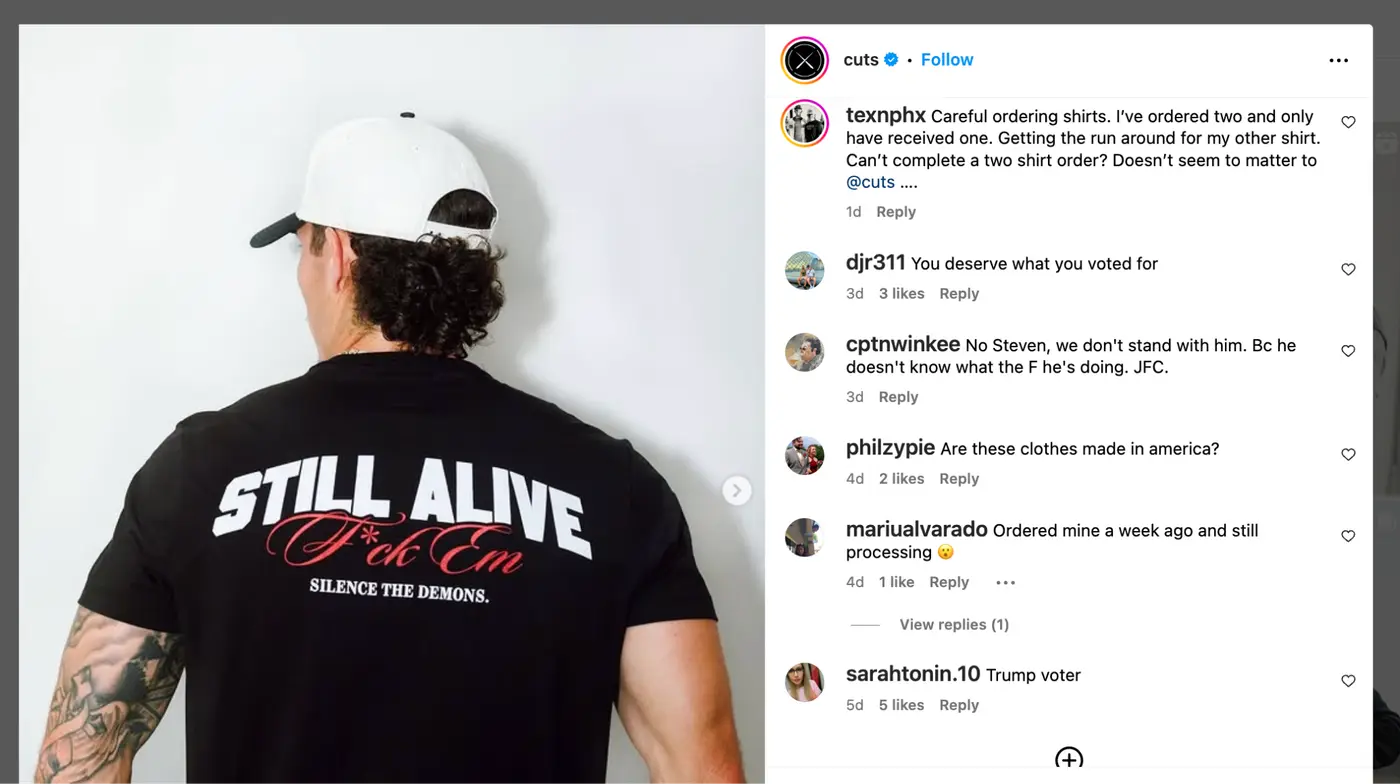
How are the comments in the top 3 posts?
Is the IG conversion oriented?
The bad:
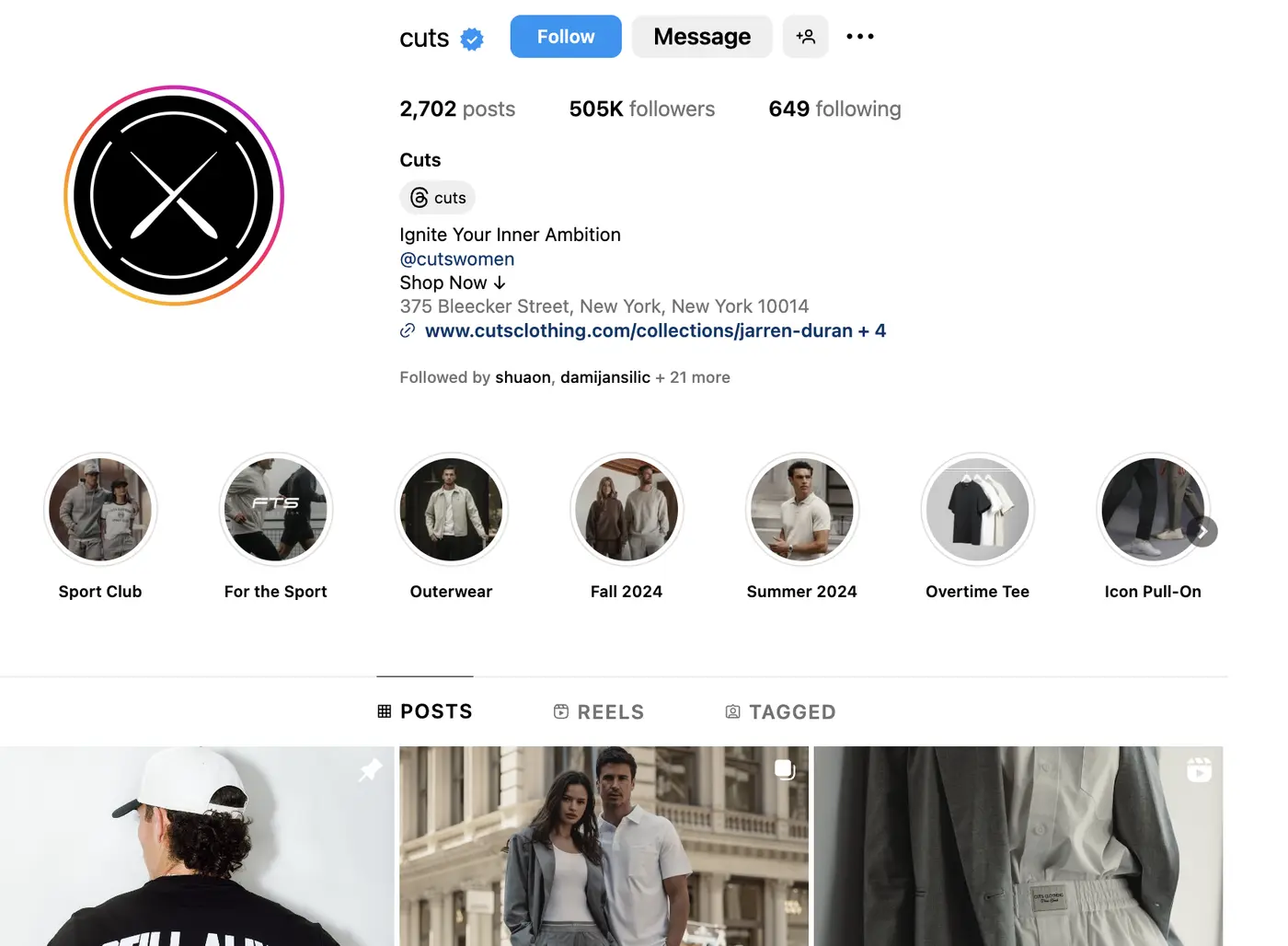
The good:
- 22 of my friends follow them
- 500k followers
- Clean content
- Clear CTA in the bio ‘Shop Now’ as in the ads
- Bad: The story highlights are outdated, 2024 !!!
- Google search your Brand
Do I appear first?
Do I appear in forums like Reddit?
Do I see good reviews easily or bad reviews?
Is my brand featured in the Press? (Vogue, …)
Check for “(Brand) Reddit”
Example: “norse organics reddit” - Go to your top spending ads and check the comments
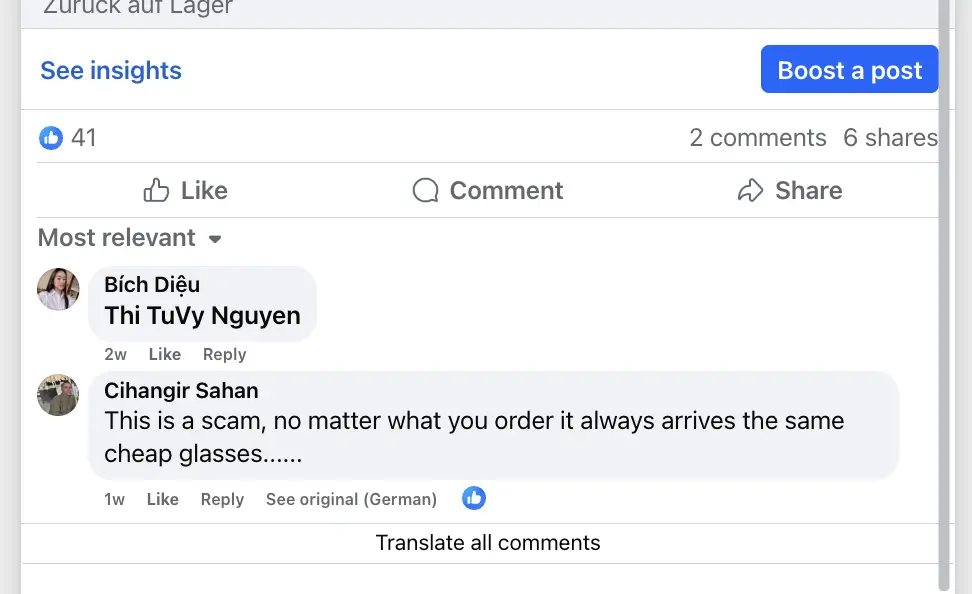
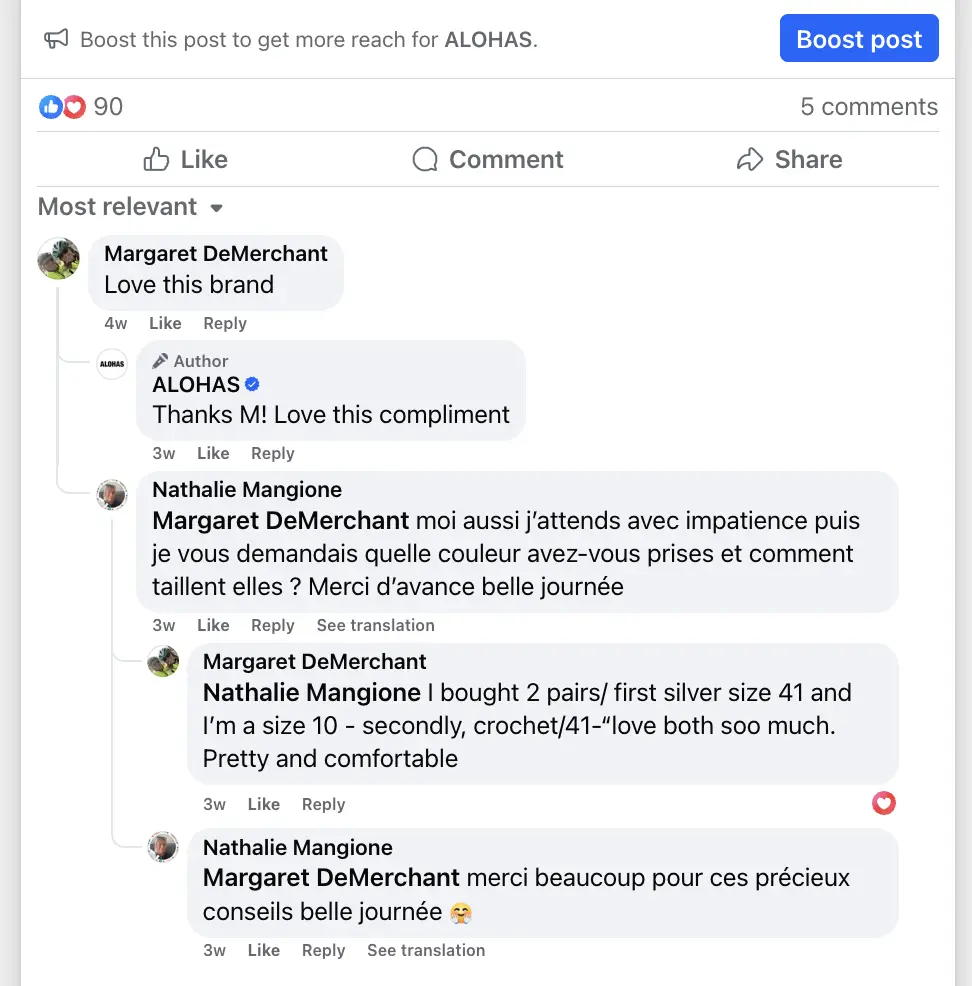
We don’t respond to all comments, but when we have a clear winning ad, and we’re spending a lot, it will get good and bad comments, so THAT specific ad is important to monitor and you need to save the FB link and IG link of the ad, and monitor it at least once per week.
Question to ask yourself after the research:
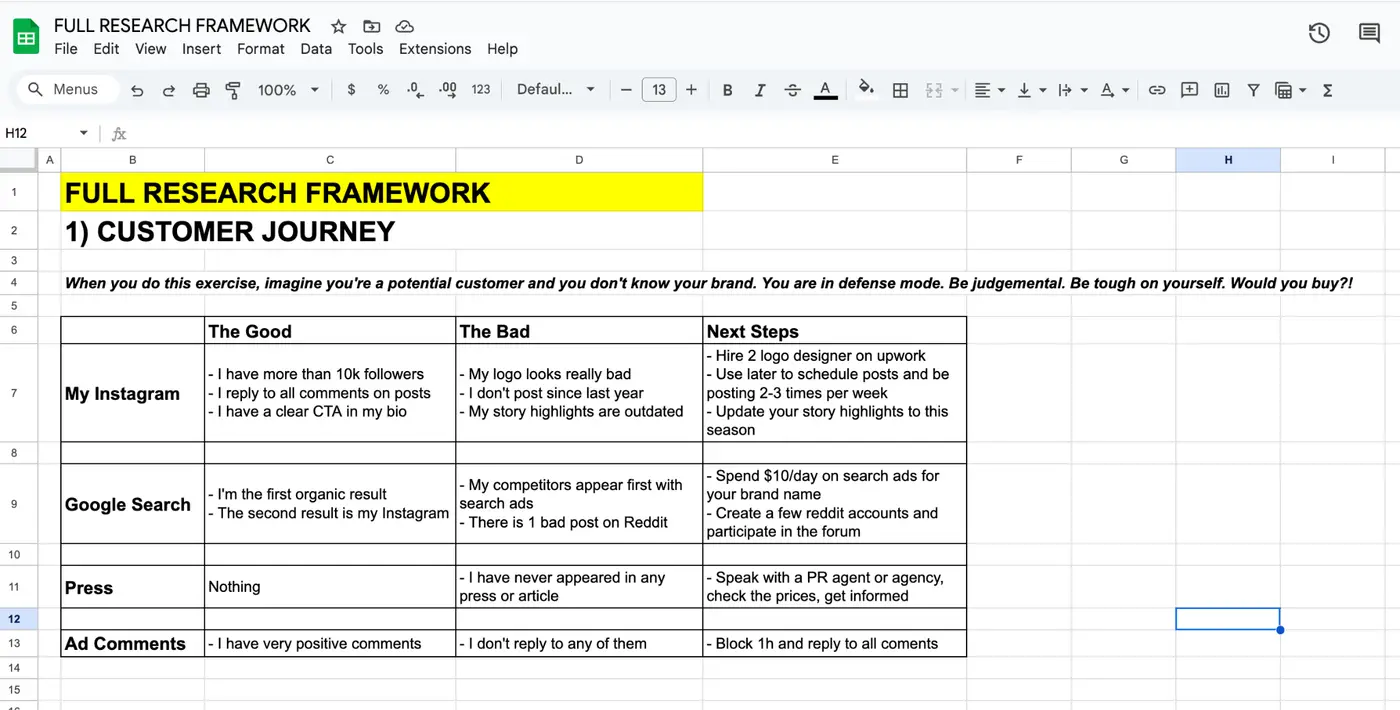
- What do I see when I open the Instagram page of my brand? Is it good or bad? How to improve it?
- What do I see when I Google search my brand? Is it good or bad? How to improve it?
- What do I see when I open the comment section of my top spending ads? Is it good or bad? How to improve it?
3) Analyze Reviews
Why do this?
Easiest and fastest way to get new angles.
But also to discover things about your customers, why do they buy, what do they expect, what are their complaints?
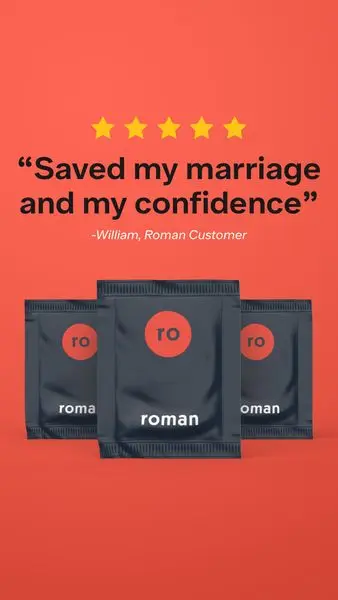
Last but not least, you’ll be able to directly use the reviews for your ads!!
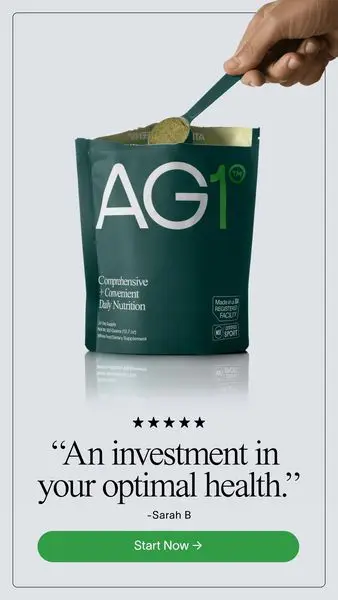
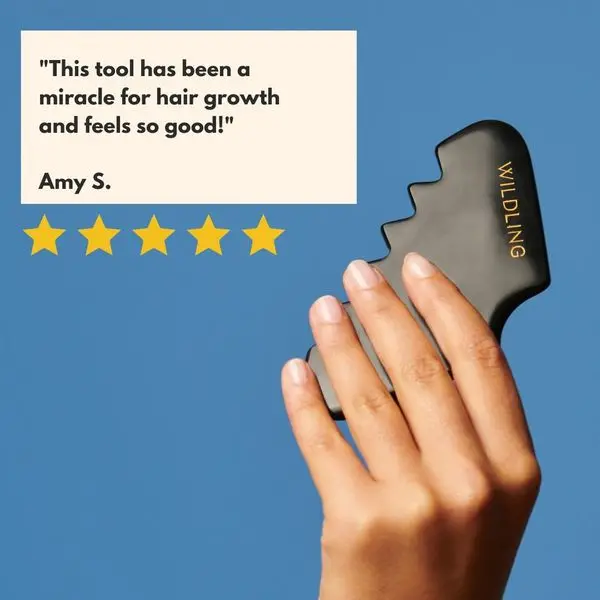
But make sure your pick strong reviews:
No: (Random words that sound good but are empty)
Yes: (talks about a result)
How to do it?
- Your Reviews (shopify app → Download CSV file)
Chat GPT
Download all of your reviews (if not possible, copy paste 30-50 of your reviews into Chat GPT)
And ask:
“Analyze all of these reviews and tell me what are the most common Pains and Reasons to Buy that people share.
After that, provide a bullet point answer with the most common transformations people mention in the reviews. For example “Dramatic reduction in forehead wrinkles, Undereyes looking much better, Husband gives a compliment””
And another prompt:
“I want to use this pain, reason to buy and transformation information in Facebook Ads. Provide me with 5 angles I can use as if I was mentioning part of a review (a real review), like for example: “People are surprised at my age” or “After using this cream, people don't believe I'm 62".” - Competitors’ Reviews
Option 1: manually select the reviews that look important, check at least 5 of them.
Option 2: copy paste 20-30 reviews in Chat GPT and use the 2 prompts above. - Amazon Reviews
Option 1: manually select the reviews that look important
Option 2: copy paste 20-30 reviews in Chat GPT and use the 2 prompts above.
Example: Anti Aging Cream
Question to ask yourself after the research:
- What are the main pain points people have?
- What is the most common transformation they experience?
- How can I use this for ads?
4) Competitor's Ads Library
Why do this?
This is the most typical research exercise.
But most advertisers do this very poorly.
We are gonna fix it.
Of course checking what ads your competitors are running is extremely important.
How to do it?
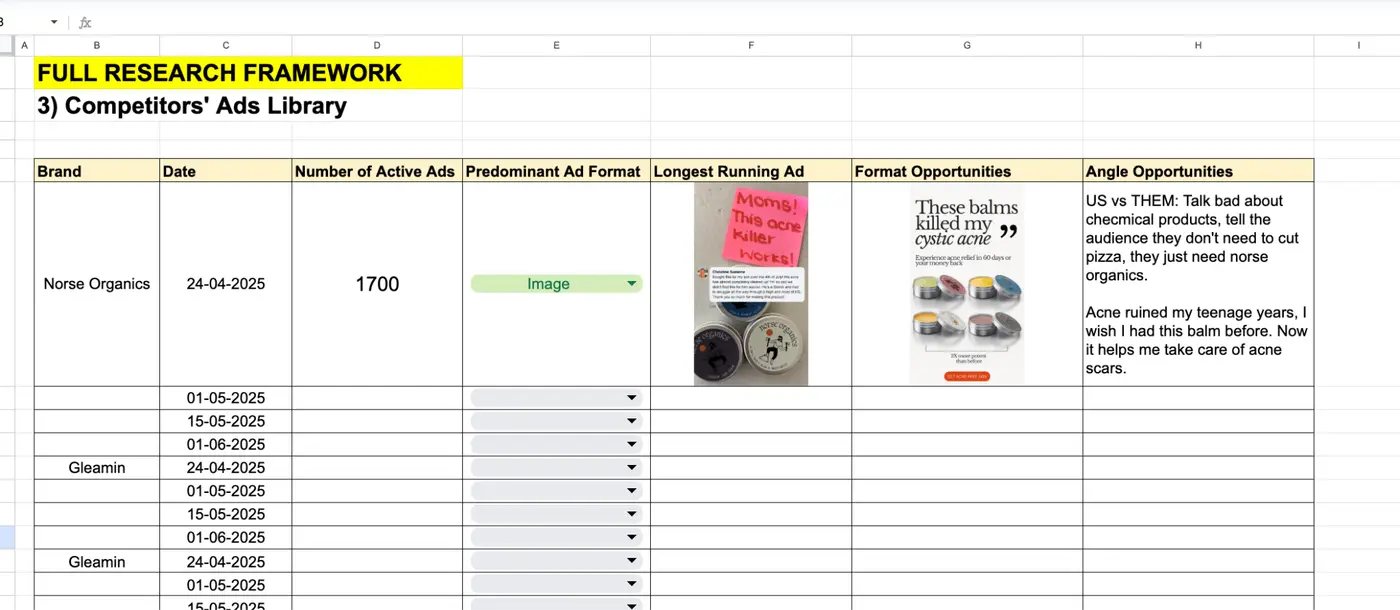
What’s actually important when checking your competitors?
→ How many ads are they running
→ Dominant format
→ Formats you are not using, and you can copy
→ Angles you’re not using, and you can copy
Let’s do a few examples in the excel sheet
Question to ask yourself after the research:
What new opportunities did I find?
New formats? New angles?
5) Social Media Intelligence
Why do this?
You need to know at all times what is happening in the organic feed of your target users.
What posts are they seeing before and after your ad?
You want to blend in between those organic posts. And you don’t want to be ignored!
Example:
→ Organic post: cat meme
→ Organic post: political meme
→ Organic post: fast-paced entertaining video
→ Your Ad: inspirational 3-minute video
→ Organic post: trump meme
→ Organic post: stand up comedy
→ Organic post: fast-paced entertaining video
Does it blend into the organic experience of the user?
How to do it?
(Let’s imagine I sell automatic men watches)
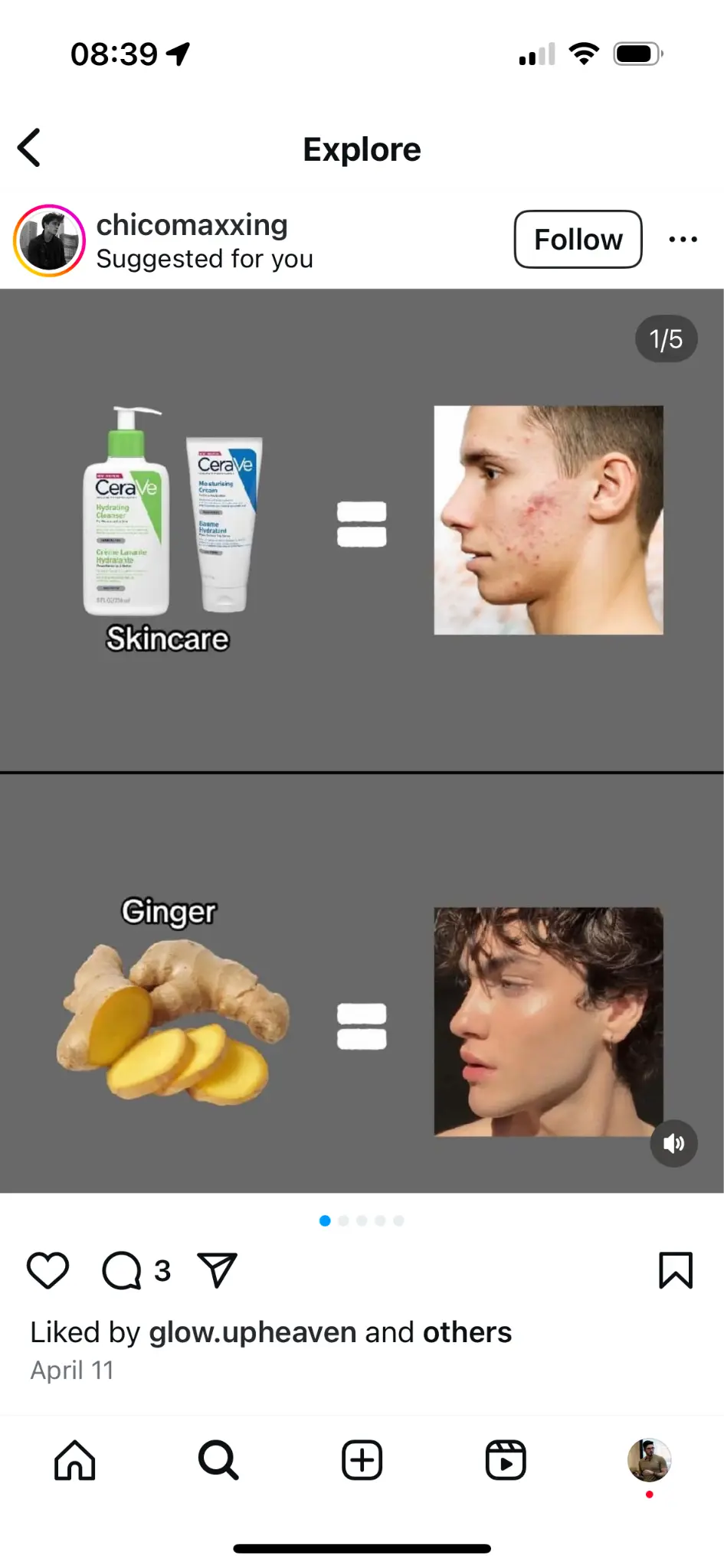
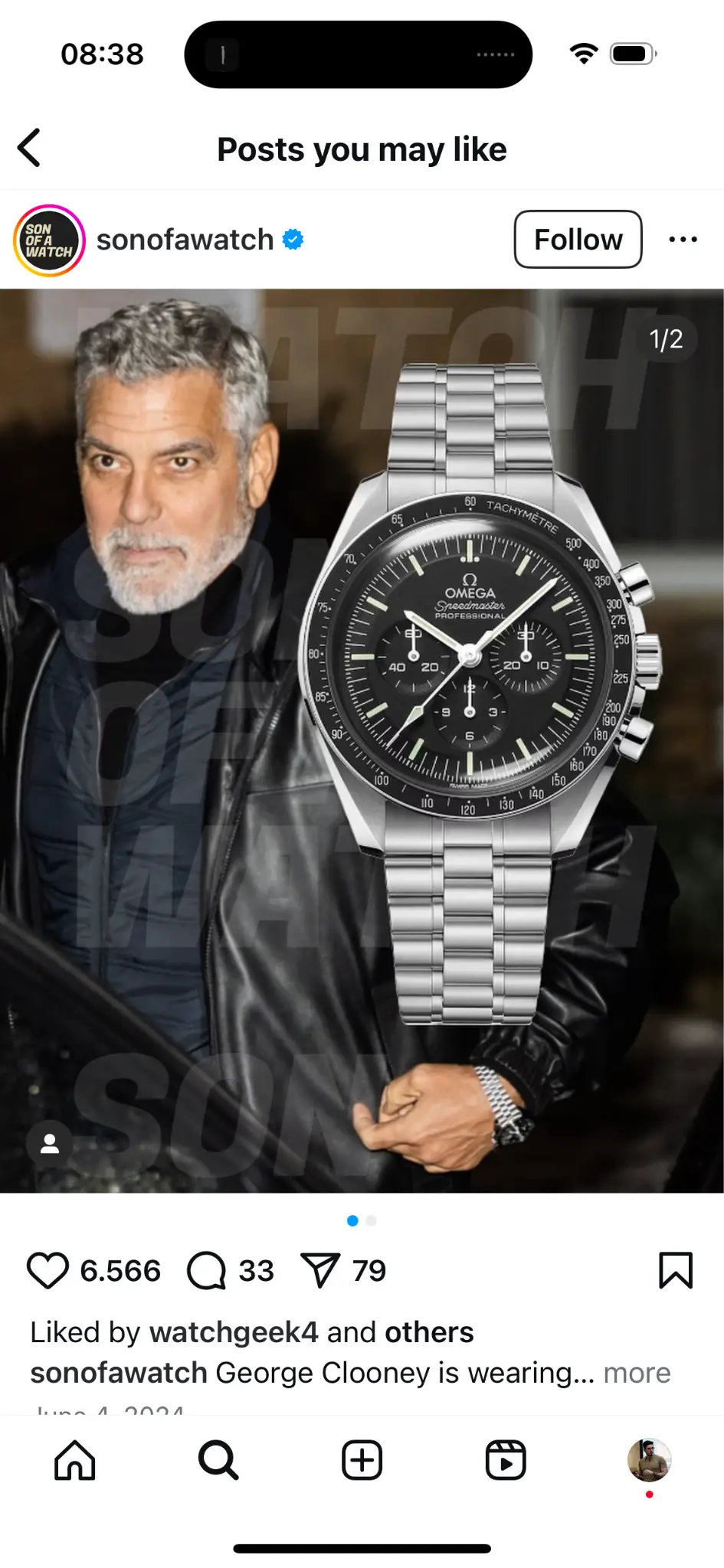
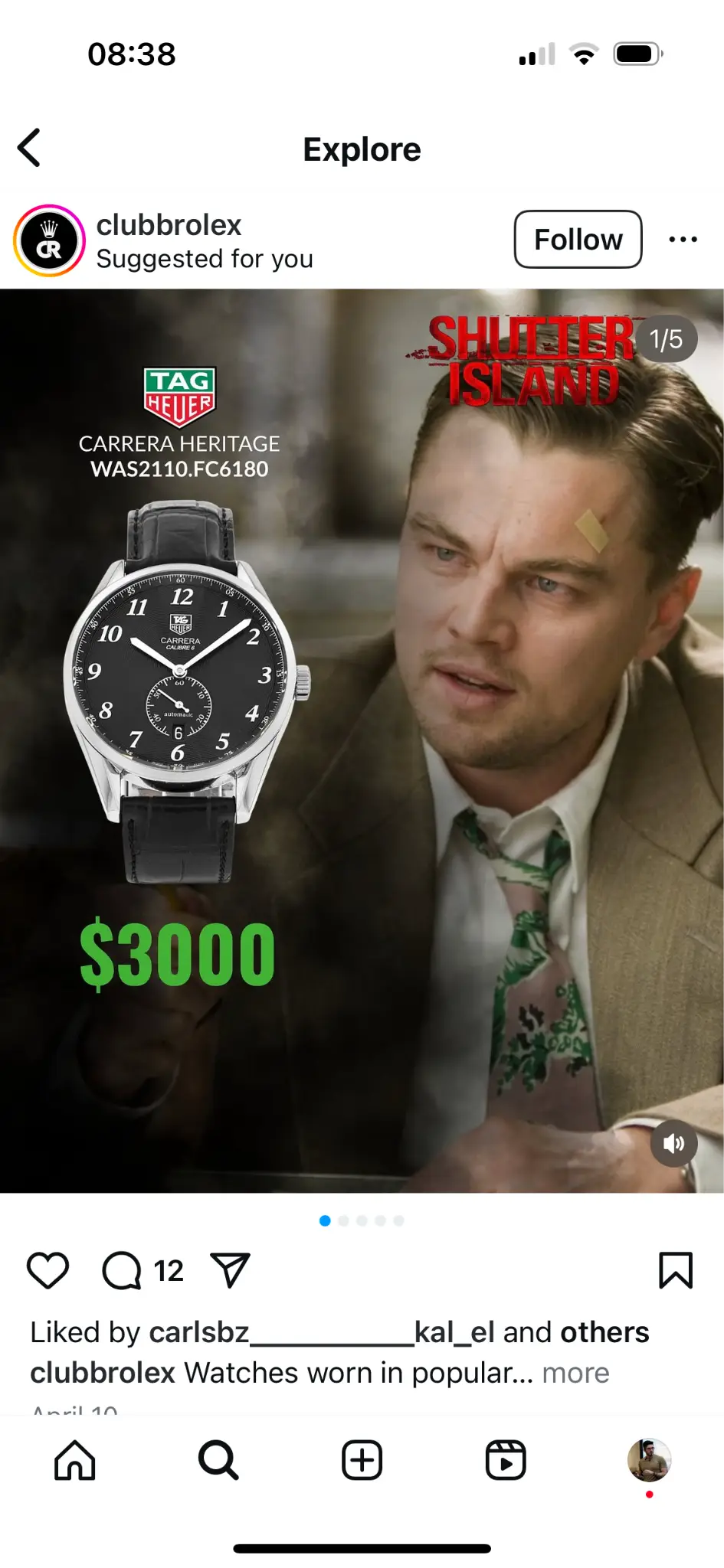
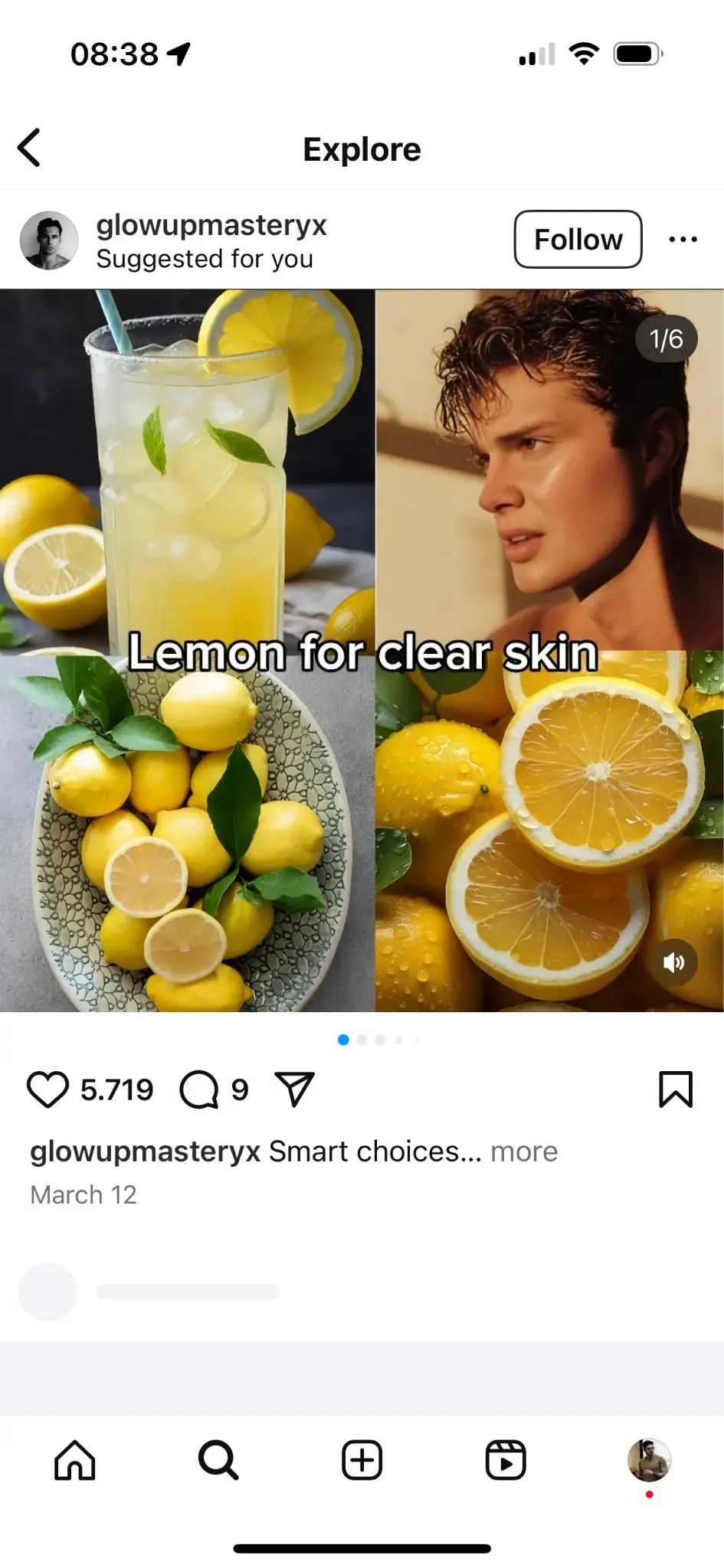
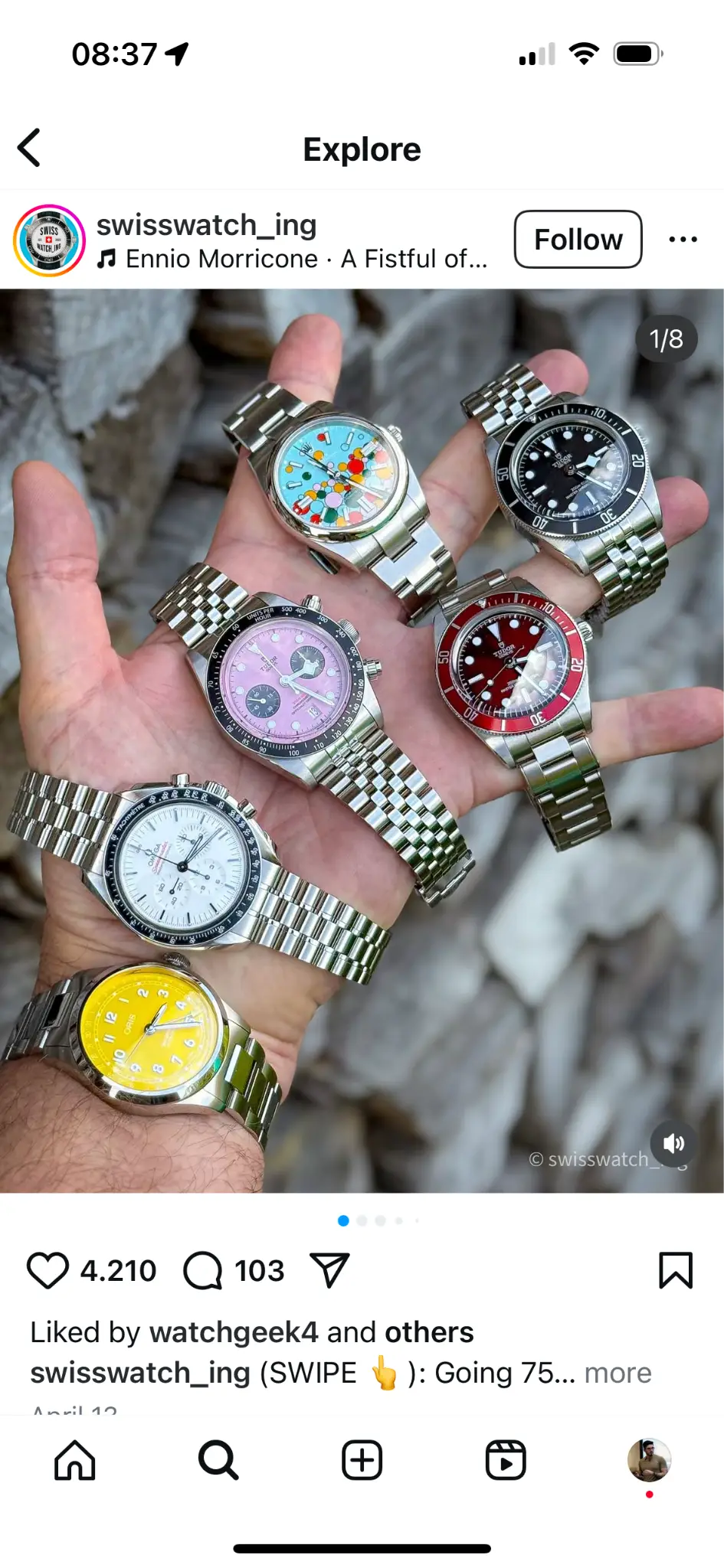
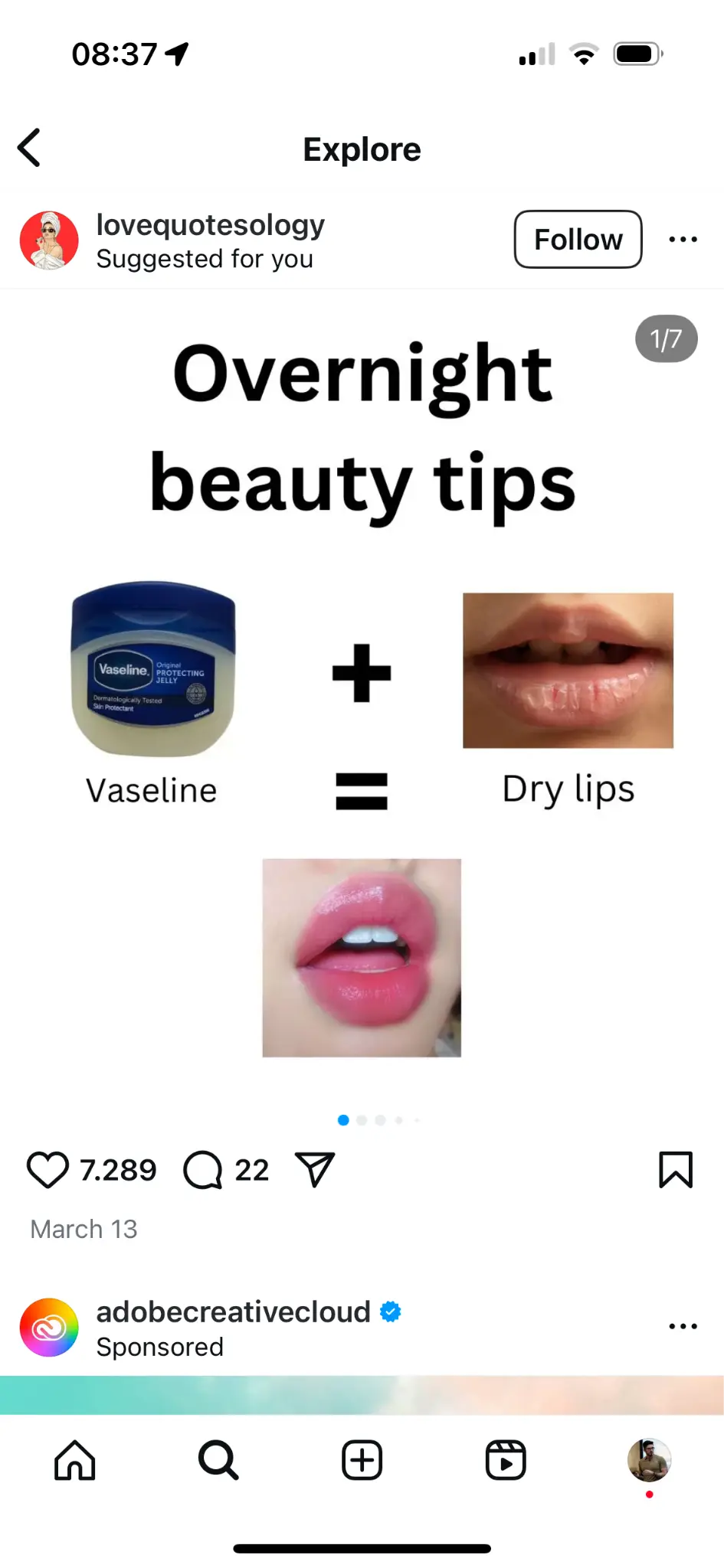
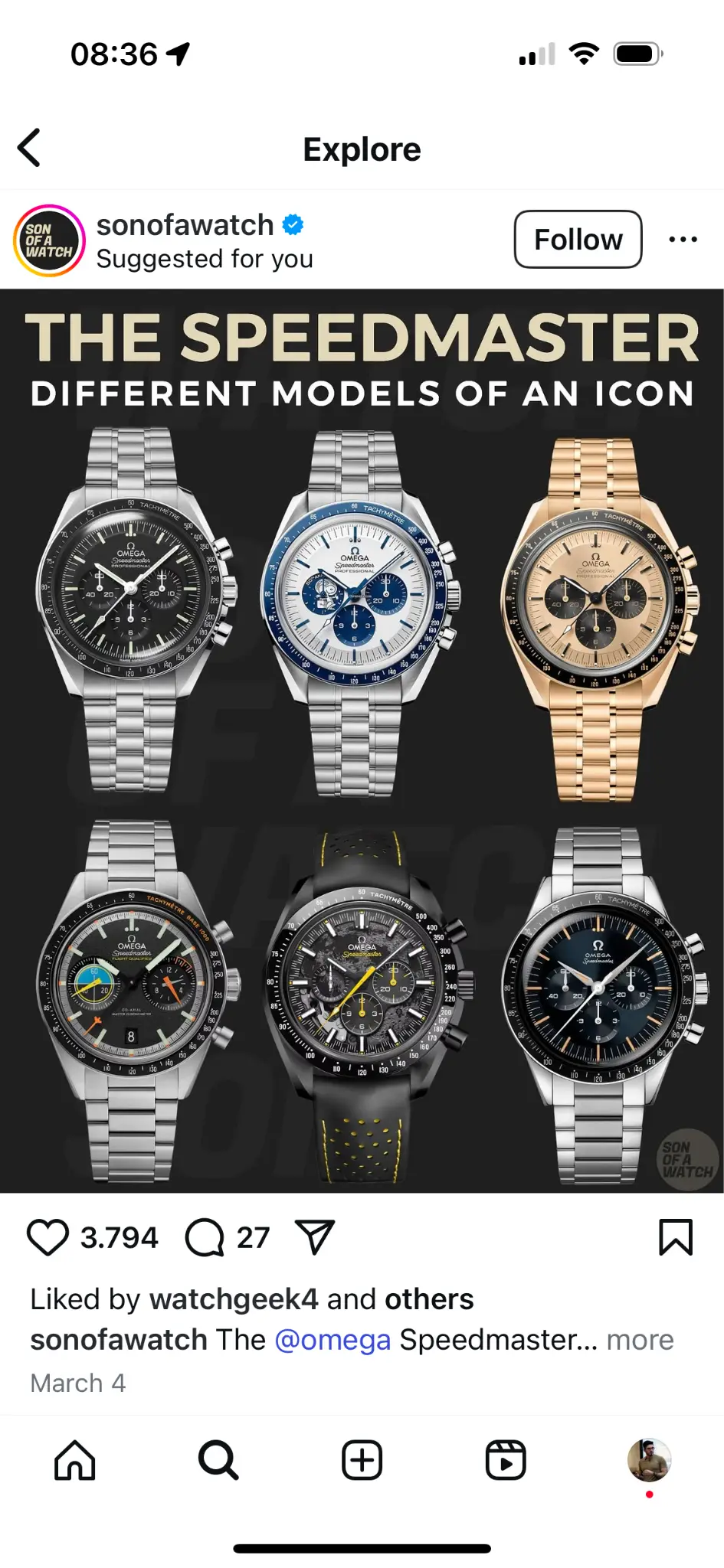
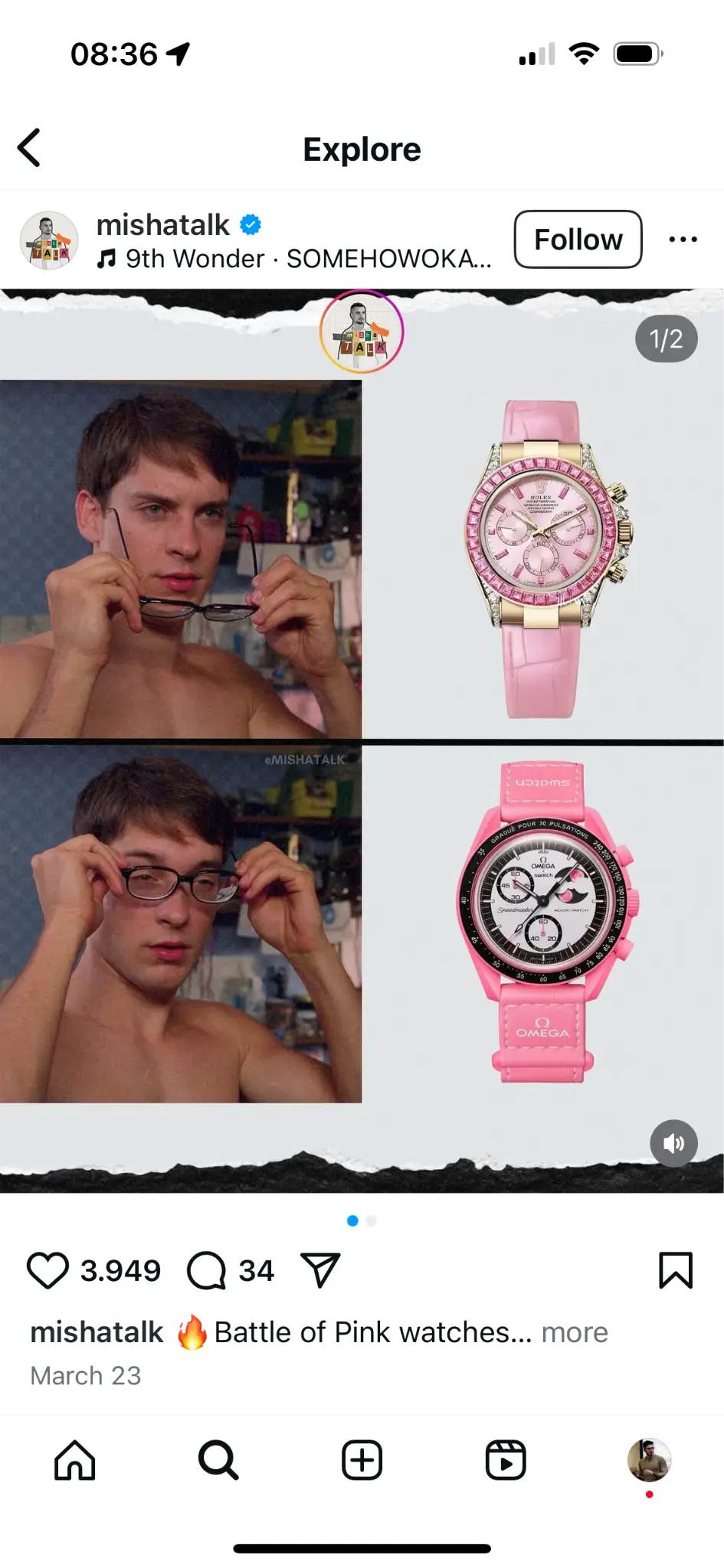
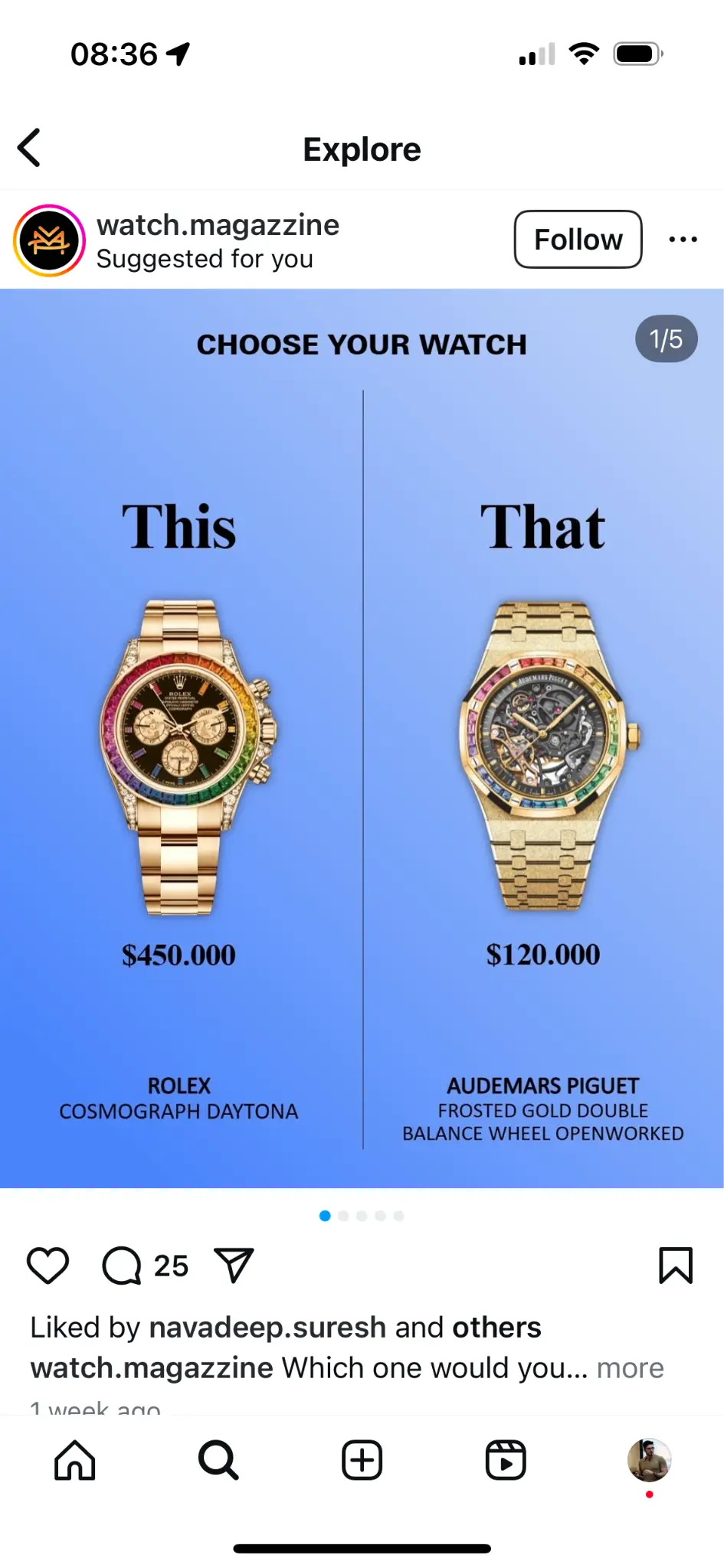
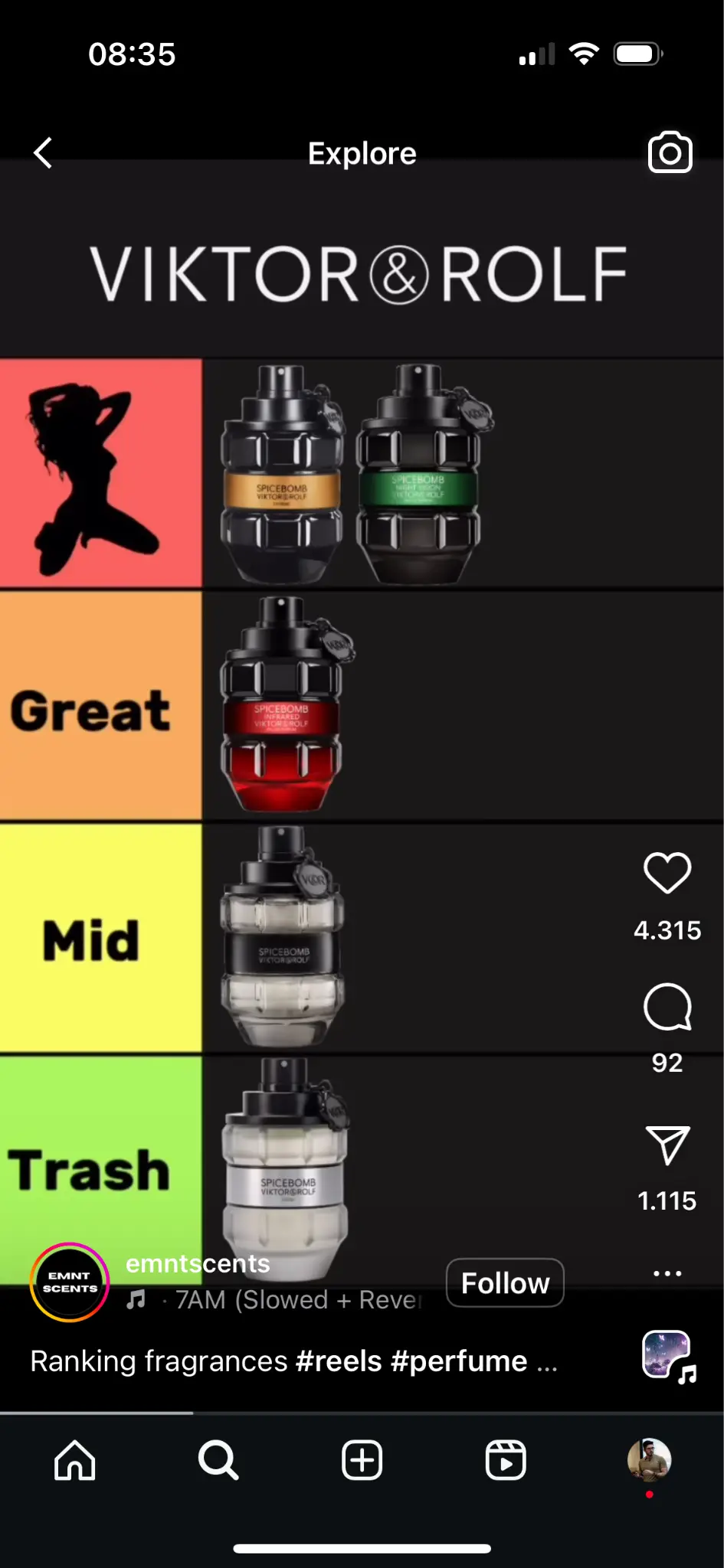
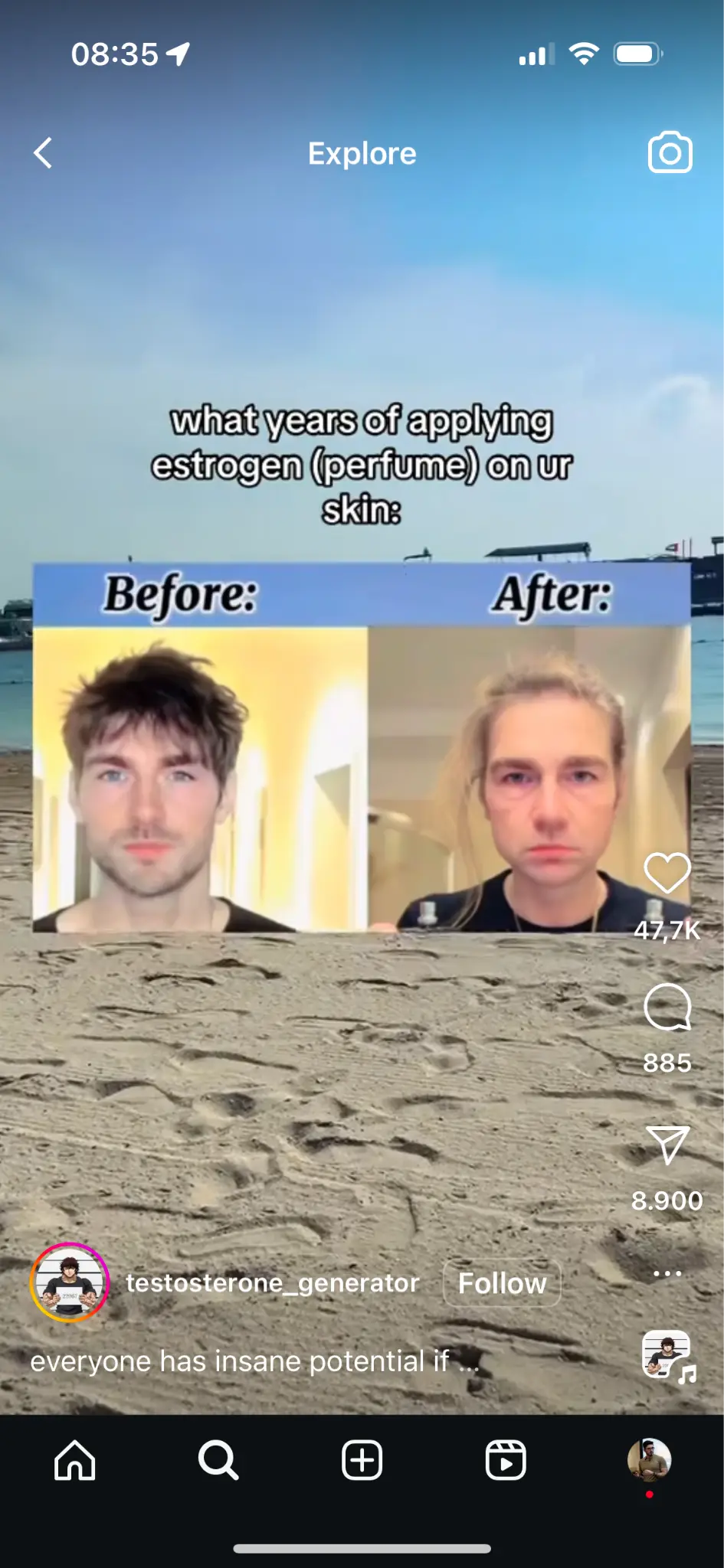
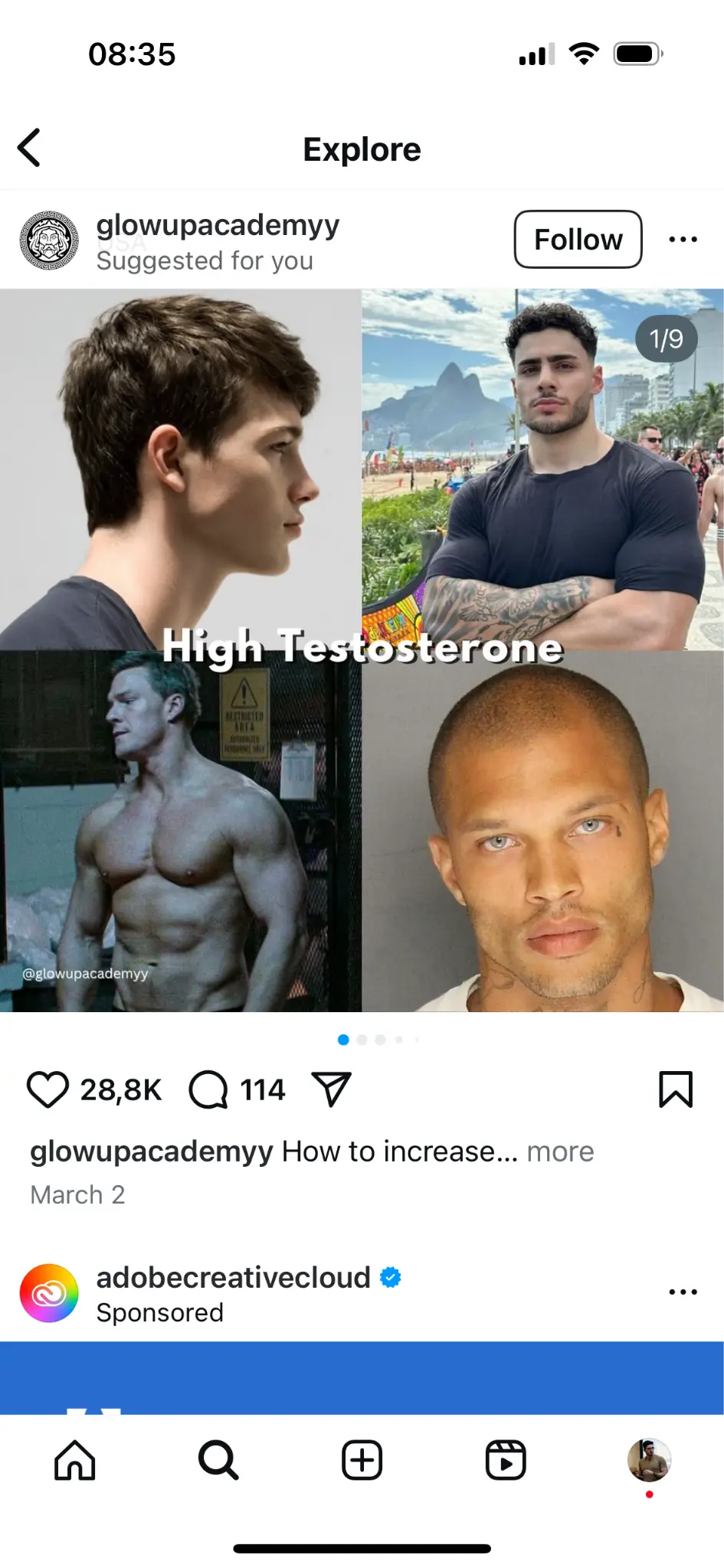
- GENERAL INSTAGRAM EXPLORE
- INSTAGRAM EXPLORE: Search bar “Your Product”
- TIK TOK FYP: Search “Your Product”
- PINTEREST: Search “Your Product”
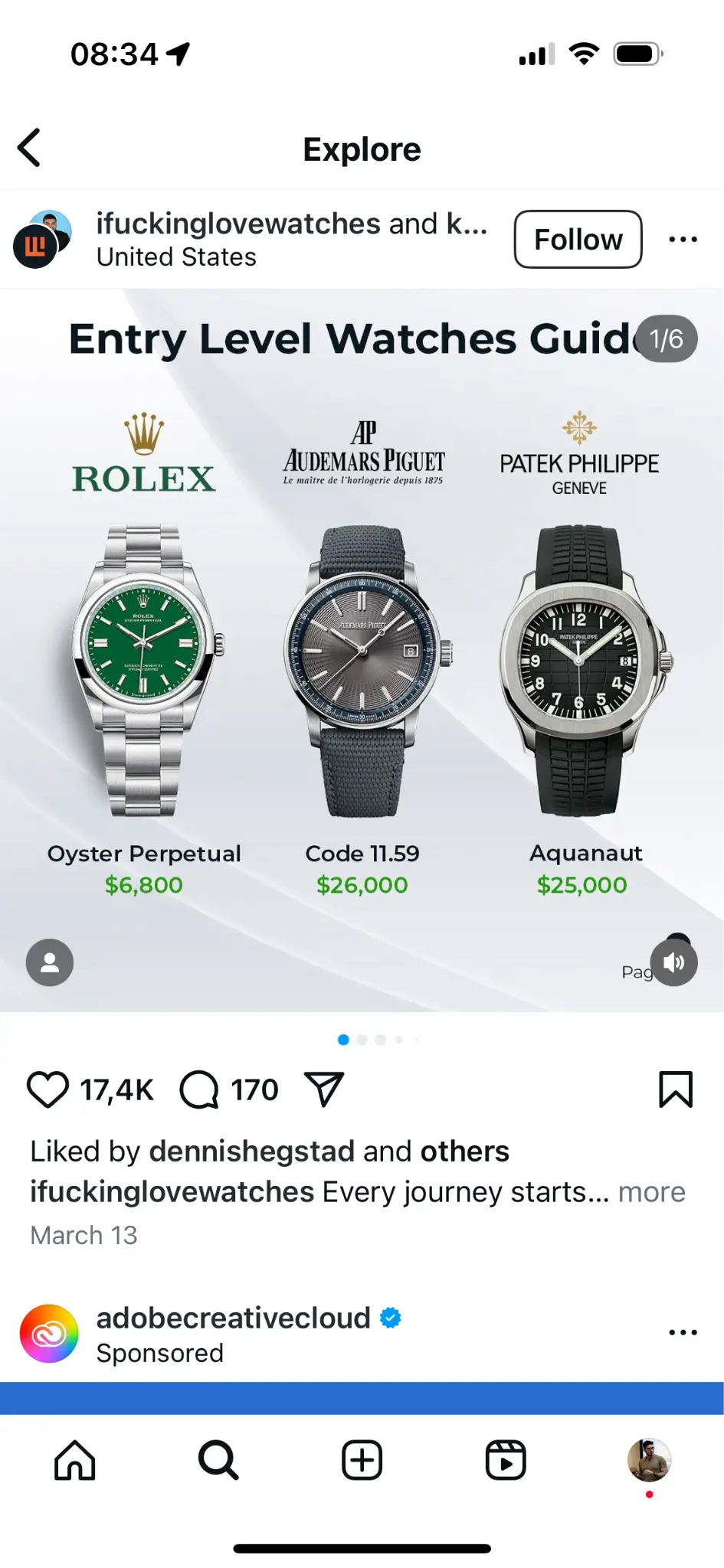
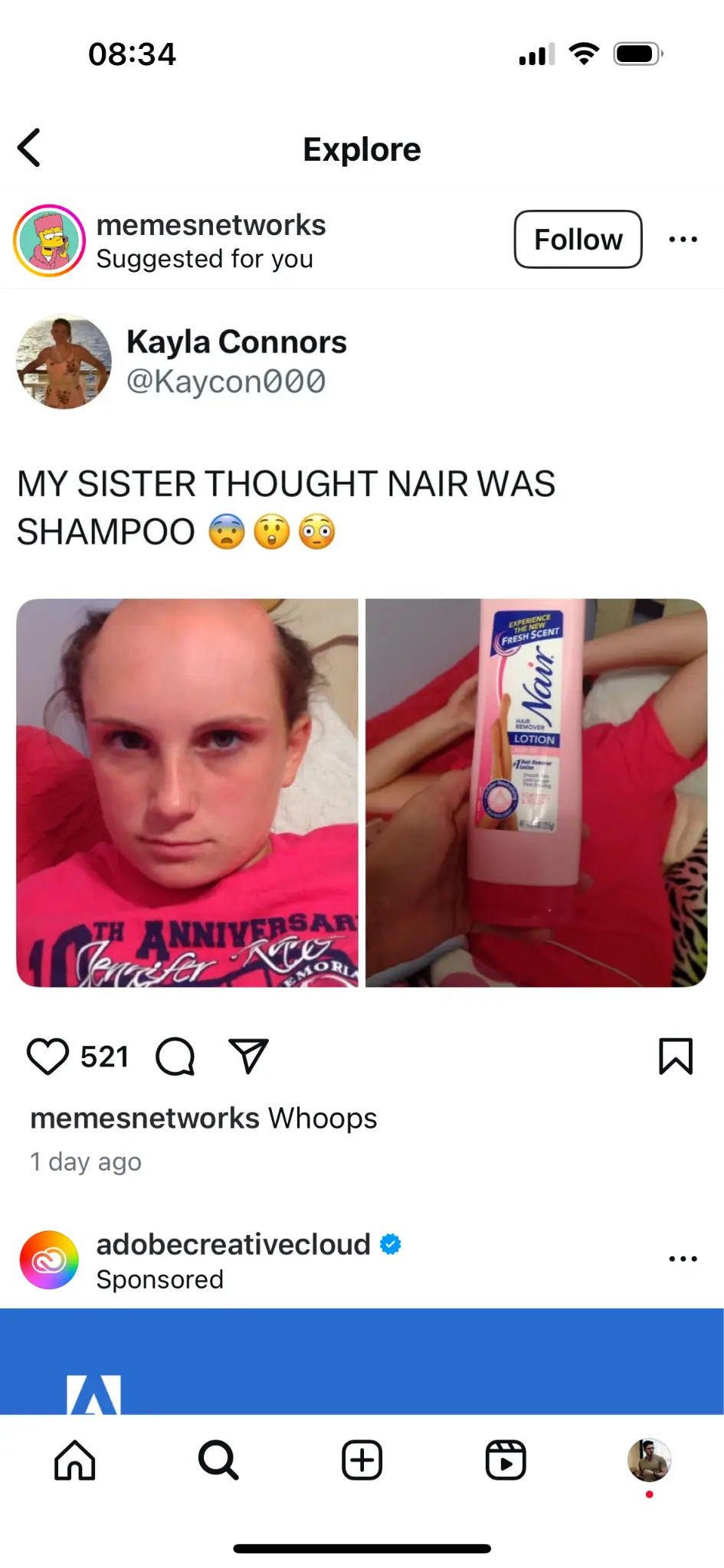
1) GENERAL INSTAGRAM EXPLORE
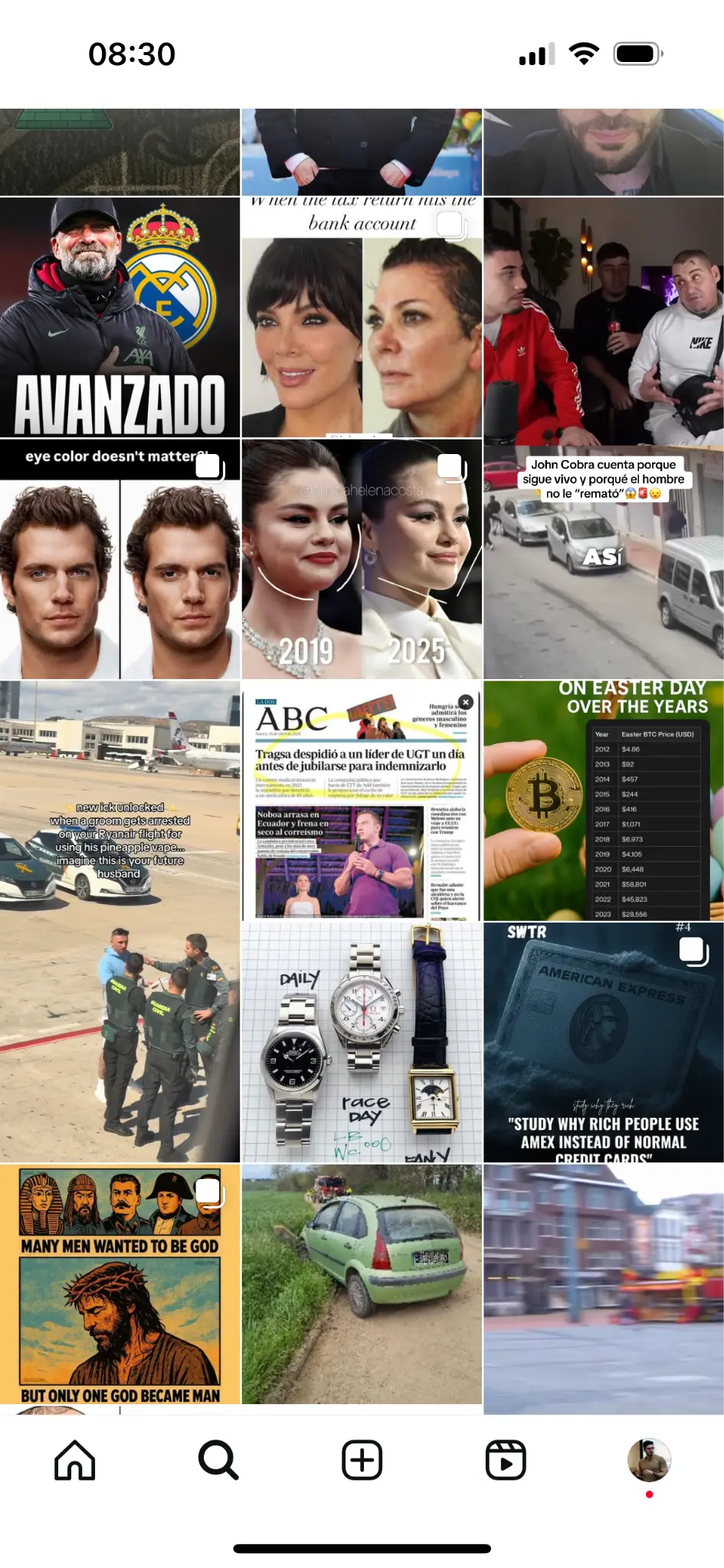
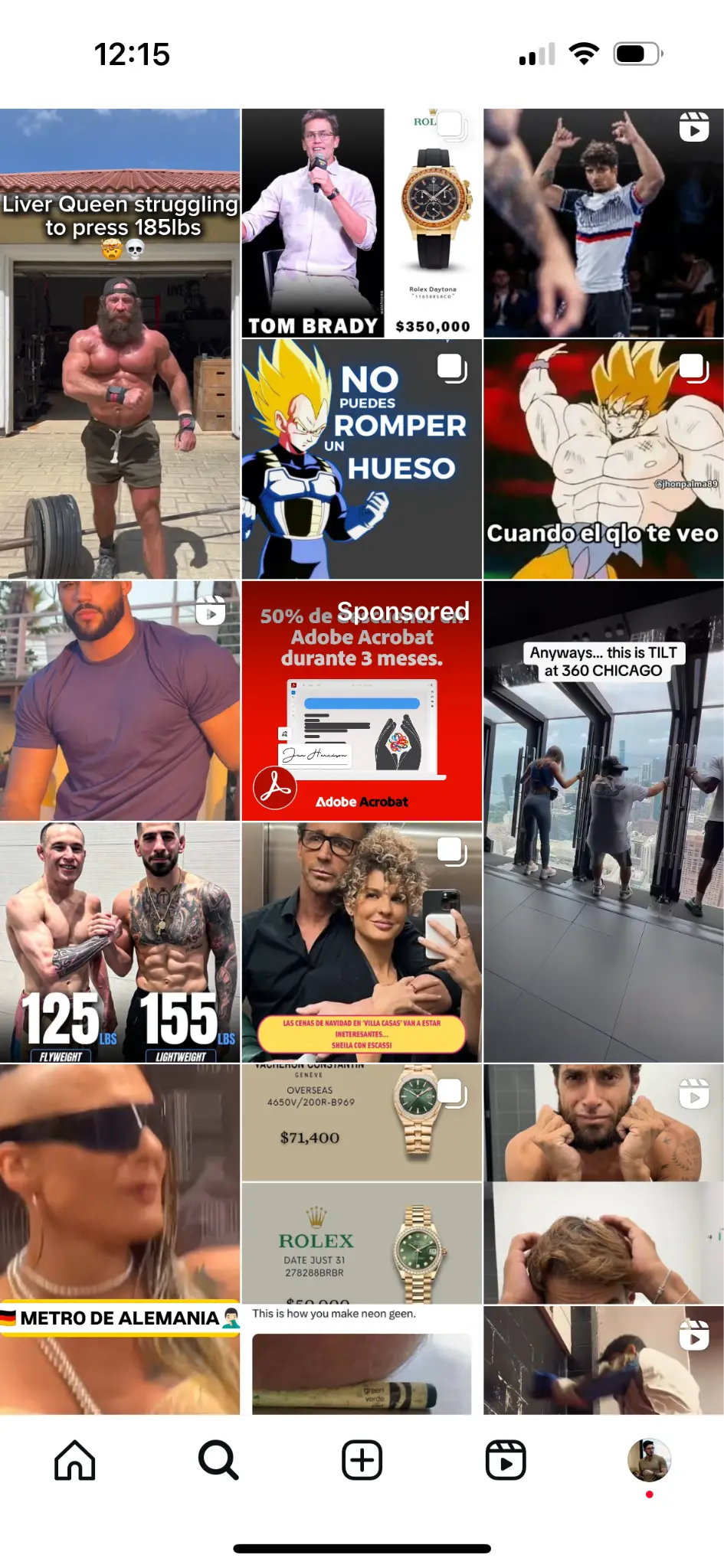
- Memes
- Before and Afters
- Watches -> Comparisons, Famous People
- Cars, Gym
2) INSTAGRAM EXPLORE: Search “Your Product”
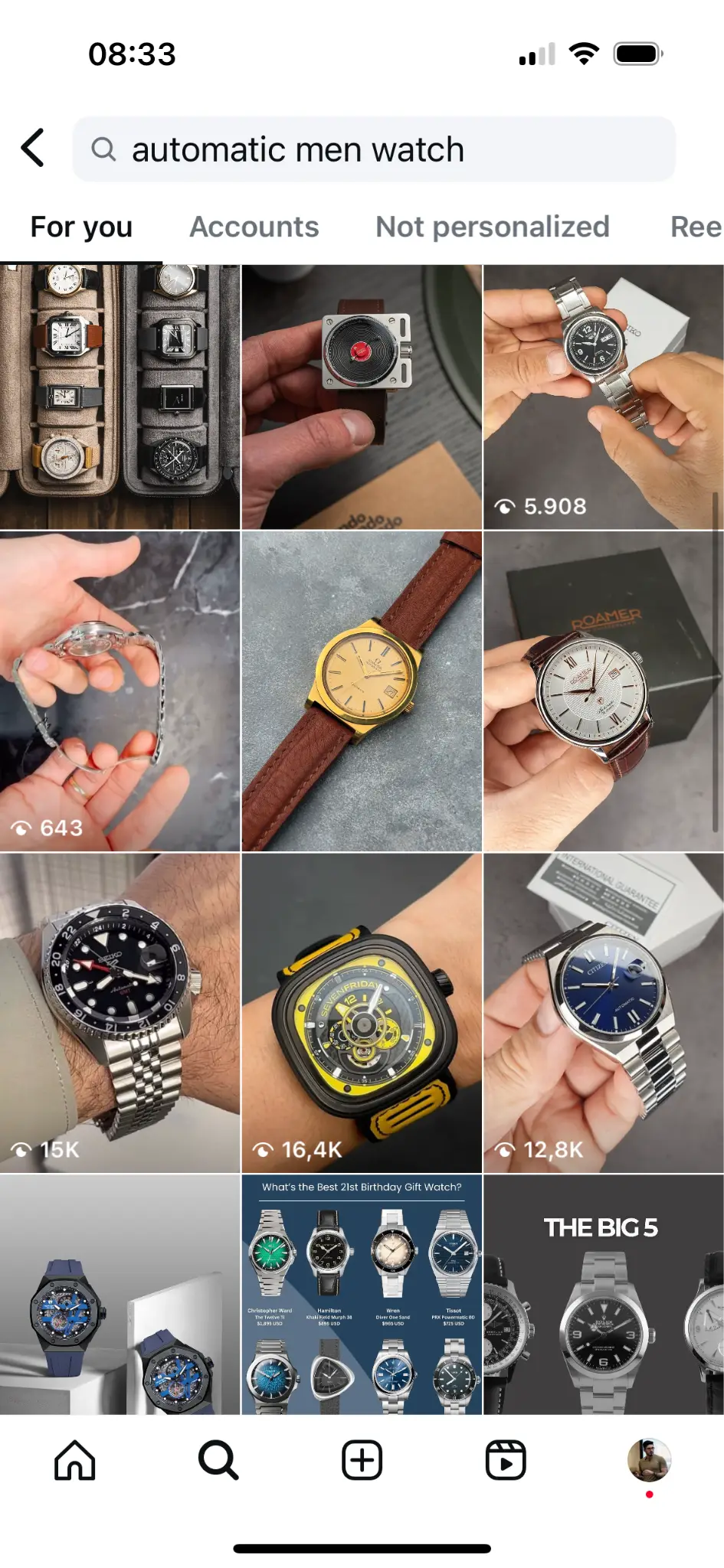
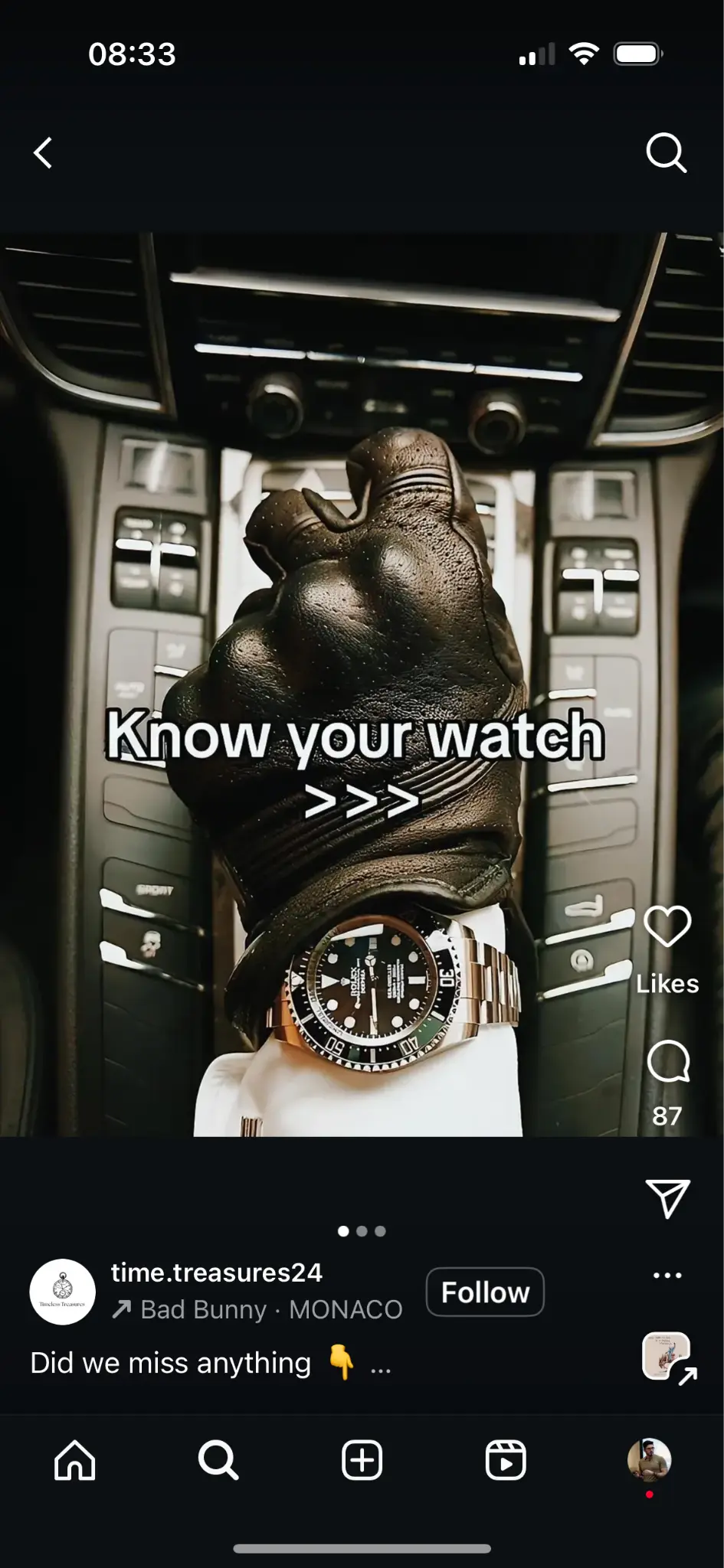
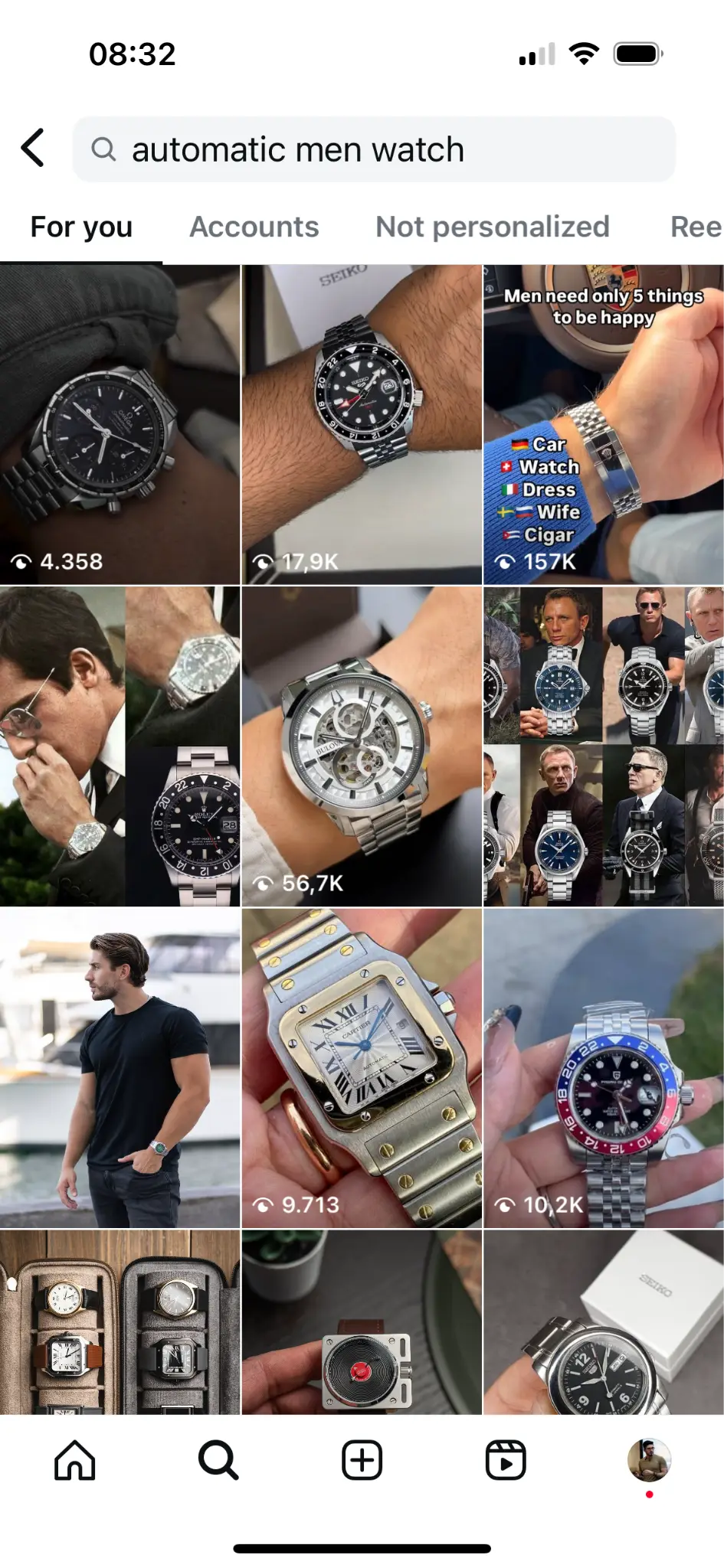
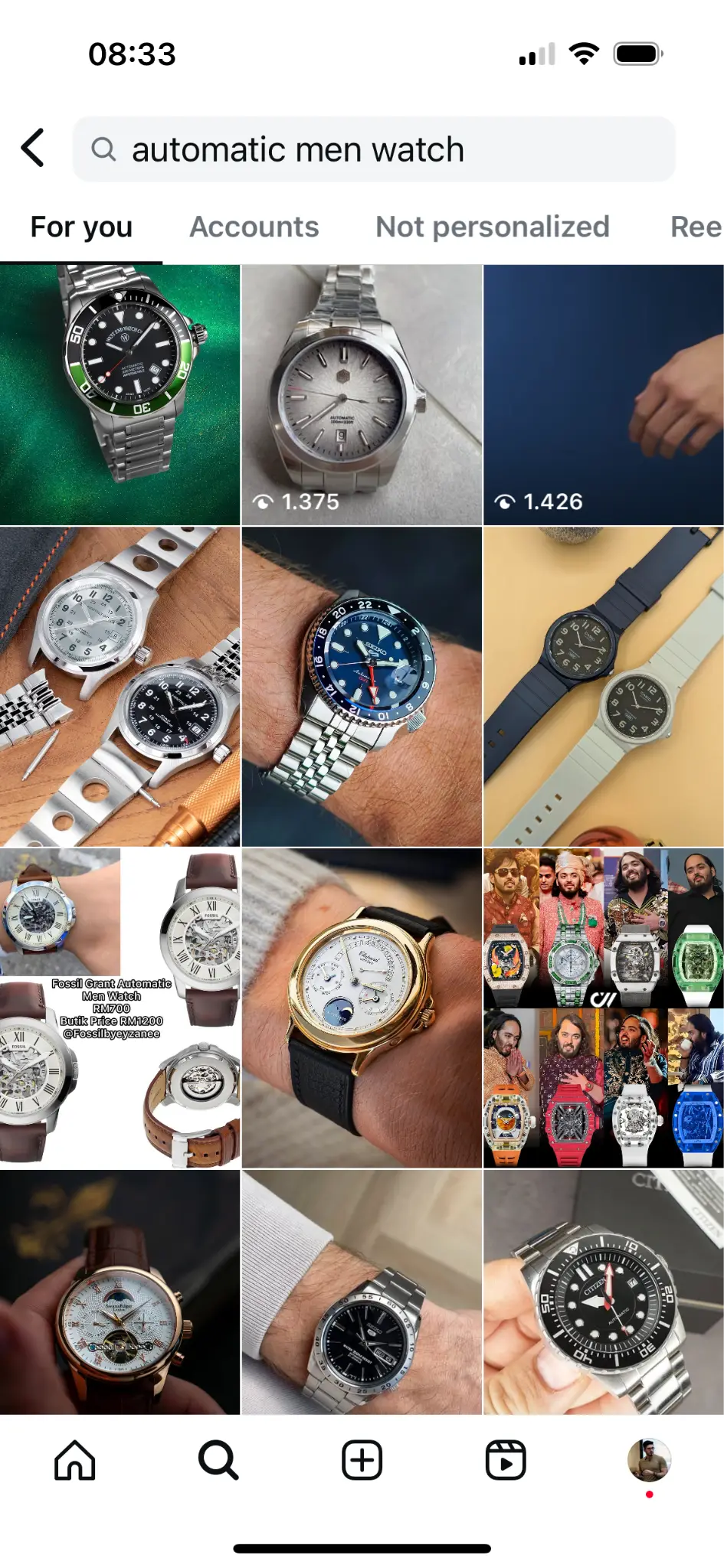
- Video: Unboxing
- Video: Watch on wrist Reveal
- Image: close-up of the watch
- Image: bodegon with 3-5 watches
- Image: split screen, man model + watch
3) TIK TOK FYP: Search “Your Product”
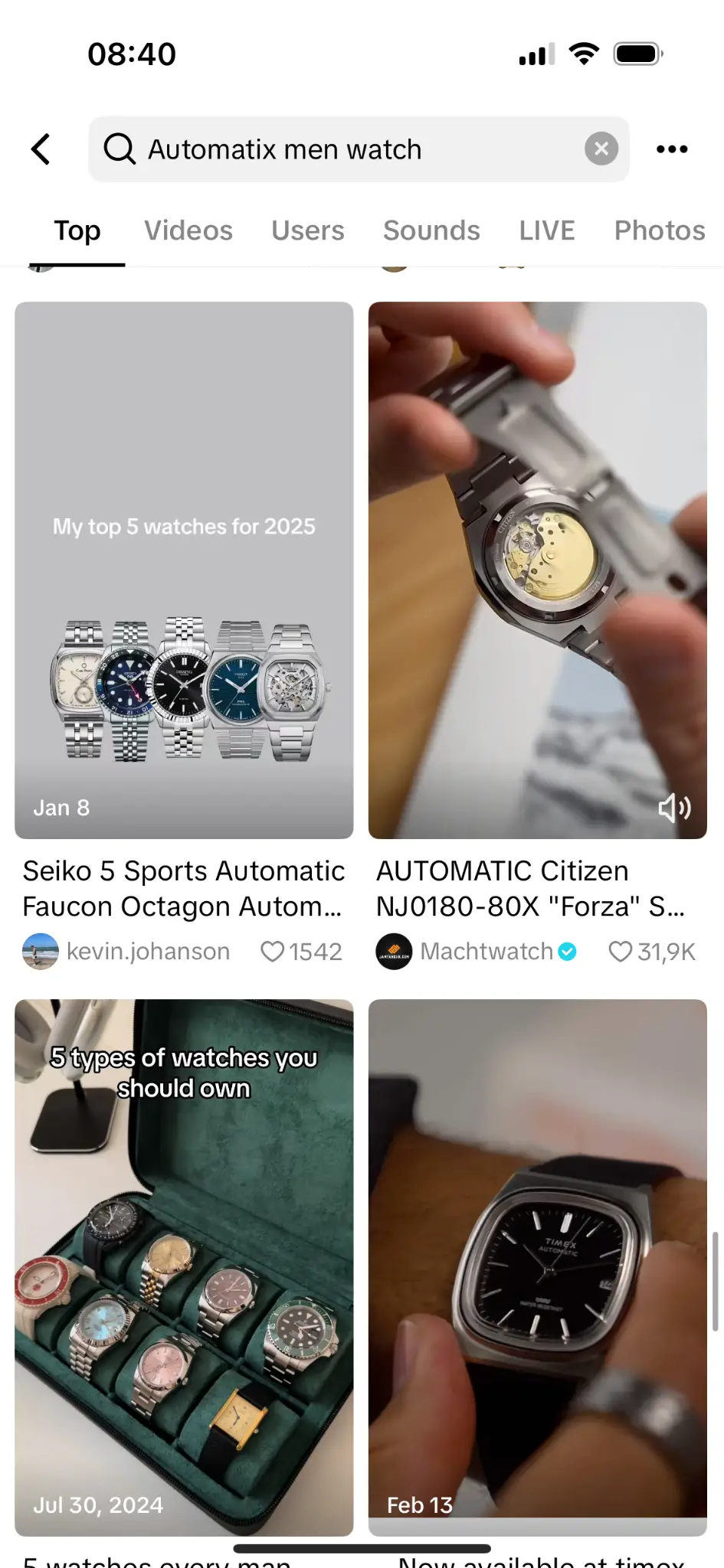
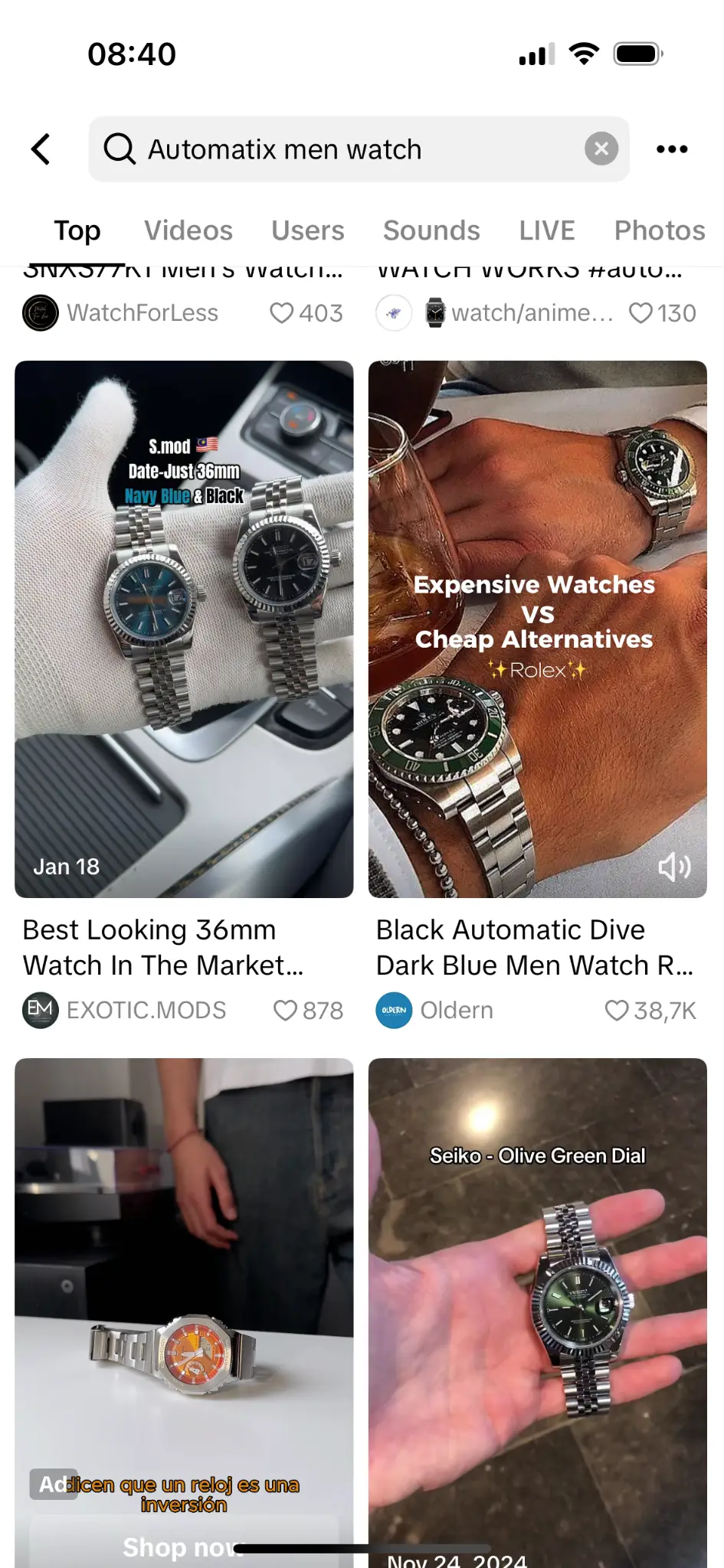
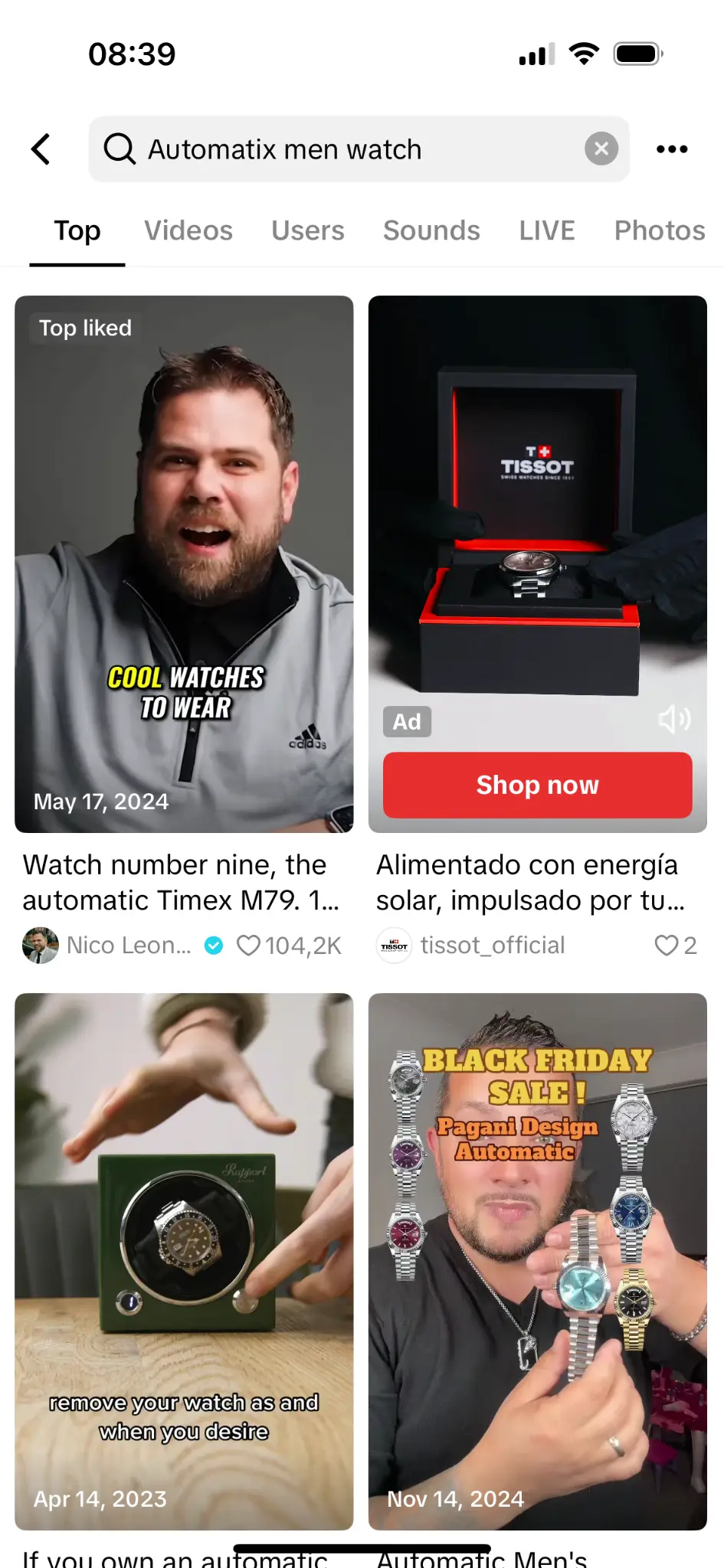
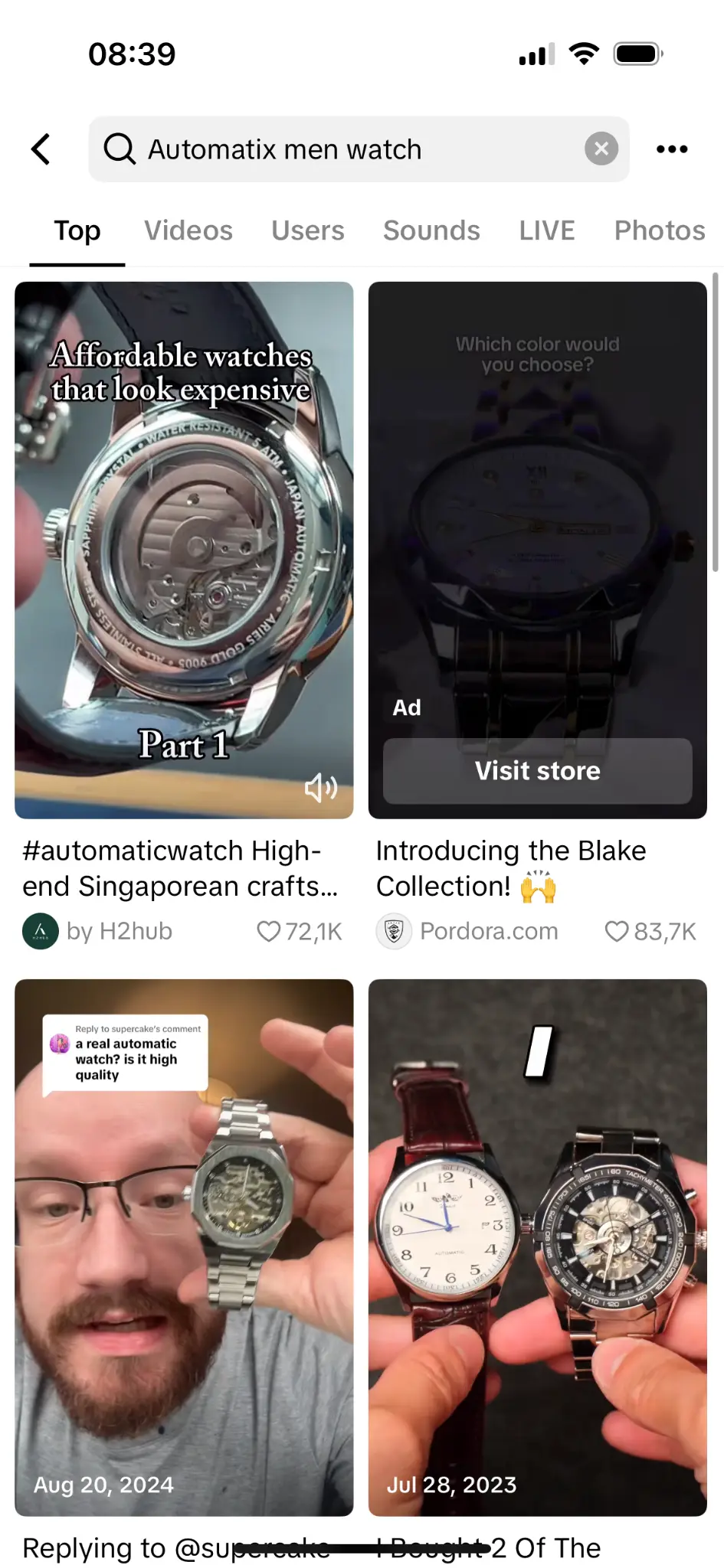
- Watch rankings
- Watch unboxings
- Watch wrist reveals
- 5 types of watches you should own
- Watch rankings with key angle “Top 5 Watches under $1000”
- Watch rankings with key angle “Affordable Watches That Look Expensive”
→ People want to have luxury, but don’t want to spend $
4) PINTEREST: Search “Your Product”
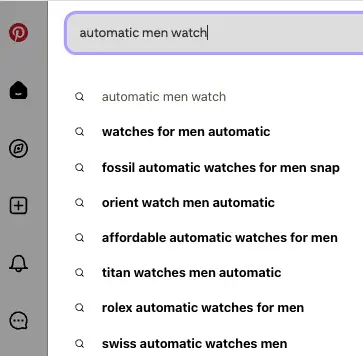
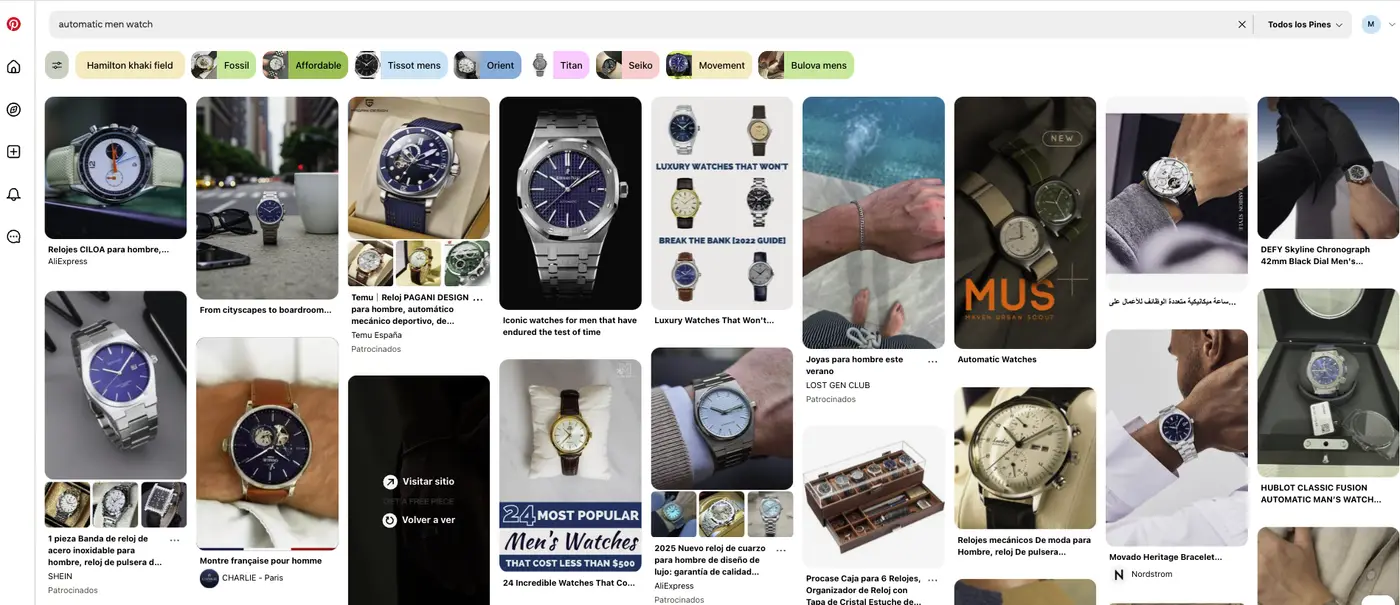
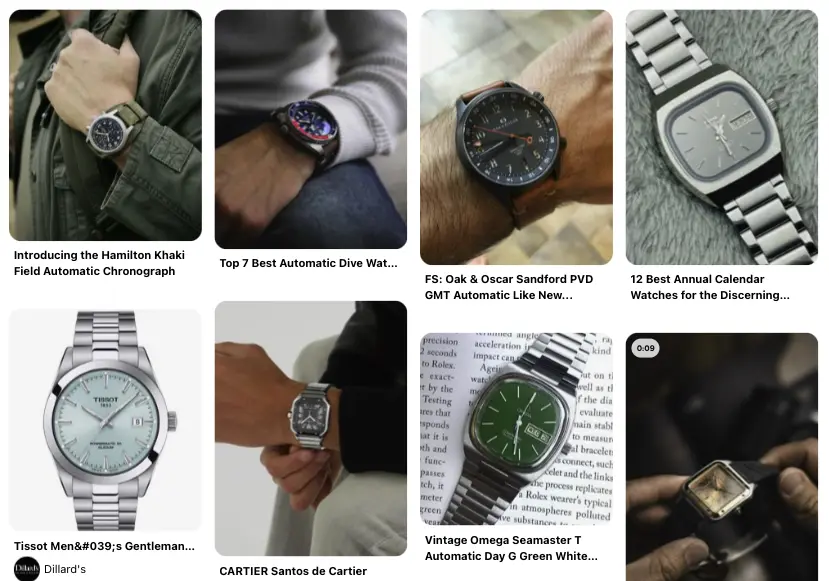
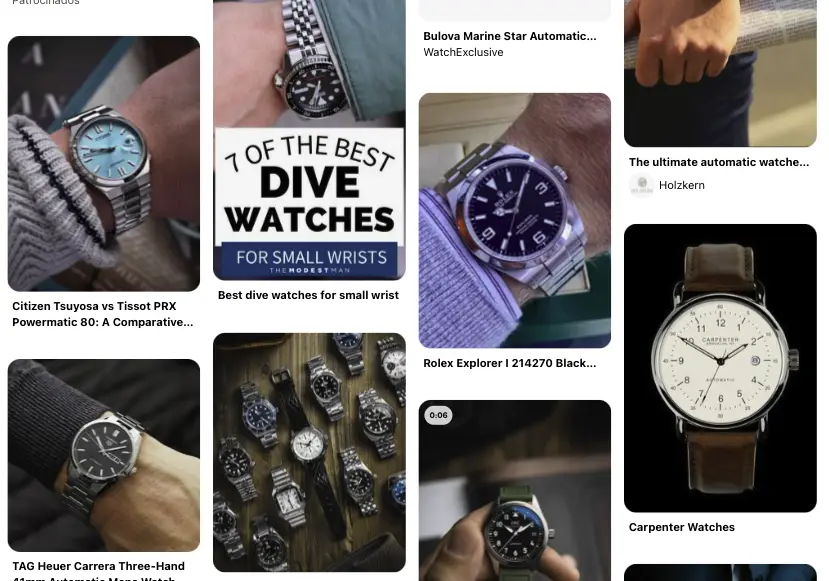
- Watch on the wrist
- Watch bodegon with 3-10 watches
- Some watch rankings
Question to ask yourself after the research:
What is the most repeated image format?
- Split image: person + watch
- Ranking 3-10 watches / Bodegon
What is the most engaged image format?
- Split image: person + watch
- Ranking 3-10 watches / Bodegon
What is the most repeated video format?
What is the most engaged video format?
- Top 5 Automatic Watches Under $1,000
Fill up the Research Google Sheet
How to do this if your target market is not yourself,
- IF you’re a man and you sell makeup
- Pick the phone of your girlfriend, sister, girl friend
- Create a secondary IG page where you only consume and follow content of your niche
6) Practical Breakthrough Advertising:
MD + AW + SPH + 7
Mass Desire + State of Awareness + Market Sophistication + 7 Techniques of Breakthrough Advertising
Why do this?
It’s a compact and quick way to implement the breakthrough advertising teachings into your ad creative research.
How to do it?
Google Sheet and Chat GPT.
Chat GPT prompt to find your product mass desire:
“Assume you’re a copywriting expert and you’ve been mentored by Eugene Schwartz. Now, imagine that you want to sell thousands of (your product, with detail) to (gender and age) in (country), using Meta Ads, for the brand (“name of your brand”) which has this unique selling proposition: (explain your unique selling proposition).
Please provide me with three possible Mass Market Desires that are innate to our human nature and related to my products.
Please provide me with the two possible States of Awareness where I will find most of my potential customers.
Please provide me with two possible Market Sophistication levels and why.
Make it short and use bullet points.
Thanks a lot”
And then, craft your advertising message:
“Thanks, now based on your previous answer, and being one of the best copywriters in the world, help me craft the perfect advertising message.
I need 3 high-converting messages/angles for each possible case you provided before.
For example, the first state of awareness with the first market sophistication, leveraging two of those mass desires. And do this for all cases.
Make it compact, 1-2 sentences. I want to use the information you provide for ads and headlines.
So each answer follows this structure:
State of Awareness: Problem Aware
Market Sophistication: Level 3
Below that please describe this audience based on the awareness and market sophistication.
And then you provide the 3 examples.
Thank you”
Example 1:
- Cosmetics, Acne
- Acnemy, 2020 client
Example 2:
- Sleep Supplement
- https://paused.com/products/sleep-aid
Example 3:
- Fashion, let’s do Axel Arigato
7) Research Conclusions Framework (Questions)
The key to research is consistency.
What works today, will not work tomorrow.
Having winning ads all year long is the way to win.
Typical mistake:
- Do research once
- Find 5 winning ads
- Try to re-create those 5 winning ads 50 times, and fail
- Stay stuck
- ROAS drops
- CTR drops
- …
Make research a weekly habit, 30 minutes.