
Workshops · Q2 2026 · English
Q2 2026: BLOCK 3
Q2 2026 - QUARTERLY WORKSHOP
BLOCK 3: Q2 Creative Scaling System
- Q2: High CTR or die
- Q2: What’s the avatar looking for?
- Q2: Winning creatives prediction
- Creative Diagnosis Checklist
- How to develop a winning ad (iterations and hypoth.)
Q2: High CTR or die
- ROAS is derived from CPC and RPV
- CPC going up will usually decrease our ROAS
- So if we assume CPM is about to go UP
- CTR must go UP as well
General drivers of CTR:
- Adapt the message to Q2 / Summer desires
- Image -> High color contrast
- Image -> Clear headline with relevance
“I understand what they are selling”
“I understand this is for me” - Video -> Thumbnail and Hook
- Engagement in the ad
- Tension / Reason to click
No tension = Ah nice product = Scroll past
“This week only”, “Last Days”, “Until Sunday”, …
“Last Units”, “Sold out 3x”, “Last chance”, …
Q2: What’s the avatar looking for?
Context
- Summer is coming
- People will spend more time outside / Social activities
- Their body will be more exposed, less clothes
- Oily skin, sun exposure
- Summer holidays are being booked in advance
- More light at home, less darkness
So the big DESIRES are:
- Confidence
- To look better with LESS effort
- To not feel behind others (comparison)
- To be ready for key moments
- To enjoy life more (winter sadness, sun is coming)
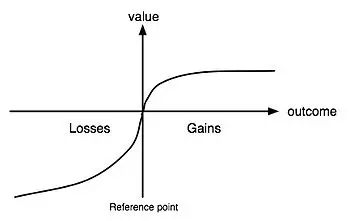
Asymmetric value function (Loss Aversion)
- We value gains and losses differently,
with losses being felt more intensely than equivalent gains - Copywriting tip: Position your product as the solution to avoid a repeated pain in Summer
Skincare: “Another summer dealing with acne?”
Fat loss product: “Another summer avoiding the beach because of this?”
Jewelry: “SS26 | From basic to standout with one piece”
Negative angles / Fix a problem
Q2: Winning creatives prediction
Early Summer adaptations
- Backgrounds
- Text: “SS26” or “Summer”
- More outdoors than indoors
- How the UGC model is dressed
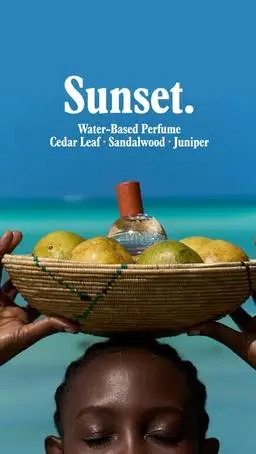


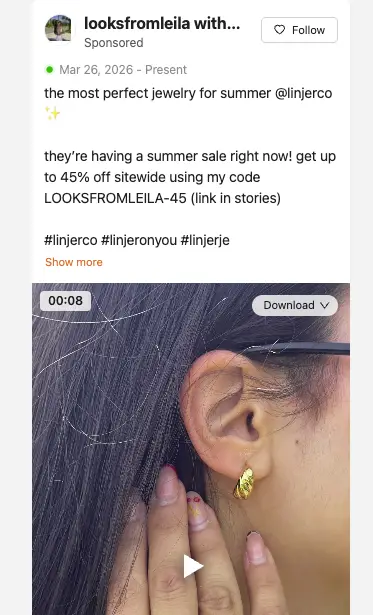
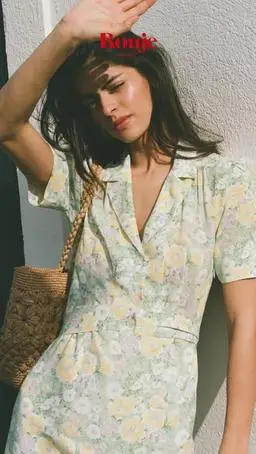

Before/After by Season or Result By Summer
- POV: You have a Summer Glow Up
- The Winter Me vs the Summer Me
- Start today and get (desire) before Summer
- Transformation ads:
January: Start By February
Suggestion: Creative research
→ Looking for Summer ads, how are your competitors adapting
EVERGREEN AD CREATIVES
What’s working best for me right now:
- Cosmetics:
VSL 1-2min ads that focus on problem/solution
(Show the pain in black and white, then show the desire, then show the mistakes people make with X emoji, then show the desire again in 3 different avatars, …)
And whitelisting creators, explaining their experience with the product after 1 month, in the bathroom, 1-2min
Easy way:
→ Send partnership request on their IG
→ Some accept
→ Don’t run both identities, “only first identity” - Sleep client:
Multiproduct images with a strong headline - Fashion:
40% of the sales coming from DPA carousel
Then split screens: Model UGC + Product
Then multiproduct images with small text
WHITELISTING AND PARTNERSHIP ADS
- LOW TRUST: The brand is selling me something
- MID TRUST: Manel and Brand
- HIGH TRUST: Manel
UGC 5 videos: 500€
Add 100€ → Run partnership ads
- Followers
Creative Diagnosis Checklist
I wanted to add this extra because none of you is starting from zero, all of us have 10-100 ad creatives in the ad account.
With time, we accumulate old creatives, sometimes launch new stuff, etc… and we get distracted.
It’s inevitable.
So I’ve made a small checklist to easily self-diagnose your ad account:
https://docs.google.com/spreadsheets/d/1GPxv_2ugsJXqqHCxeXCGo_cgvL4TSg8e9jsImU3TgW4/edit?usp=sharing
How to develop a winning ad (iterations and hypoth.)
- Iterate forever = no breakthroughs
- Test random ideas = no compounding
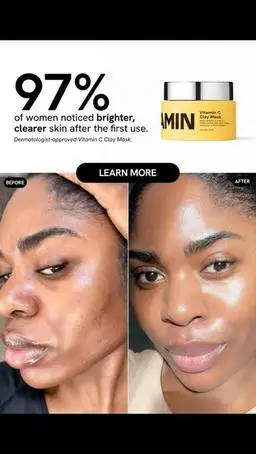
- To develop, of course start with finding a winning ad:
- More than 10 purchases at good ROAS
- Above account average CTR
- Deconstruct WHY it works
Desire: Bright Skin
Angle: Transformation with certainty (97%)
Concept: Before/after image
Extra: Statistics
Model: She has a certain problem, skin looks good
ITERATIONS
- Model Iterations
- Keep all the same
Change model → Younger - Keep all the same
Change model → Older - Keep all the same
Change model → White - Keep all the same
Change model → Someone with a stronger problem - Desire Iterations
- Keep all the same (Or adapt the UGC transformation)
Change the desire: Get rid of acne scars in X days - Keep all the same (Or adapt the UGC transformation)
Change the desire: Goodbye dark spots, Hello Glow - Keep all the same (Or adapt the UGC transformation)
Change the desire: Fade hyperpigmentation or get your money back - Keep the Angle: Transformation with certainty (97%)
But change the concept, model or format
In general, for iterations we change the angle/desire or ad format, but if we change the concept (from split image to UGC video) then that’s a new hypothesis.
So again,
When we start “Concept Iterations” in reality we are trying new things, it’s actually a new hypothesis.
Example: Would before and after work in a video, where a person explains how the transformation happened?
I’m pulling the learning from the previous winning ad, but it’s not really an iteration:
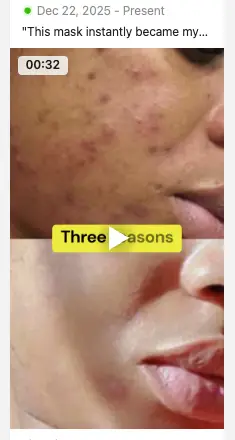
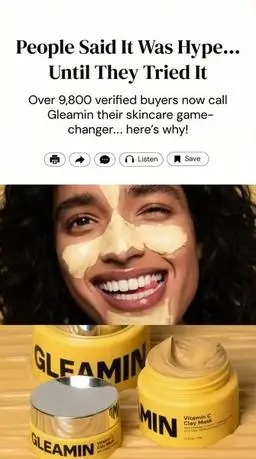
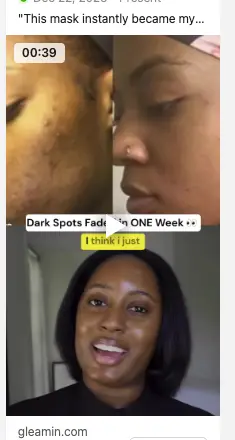
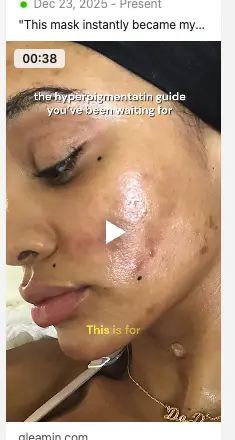
Example: Listicle Video
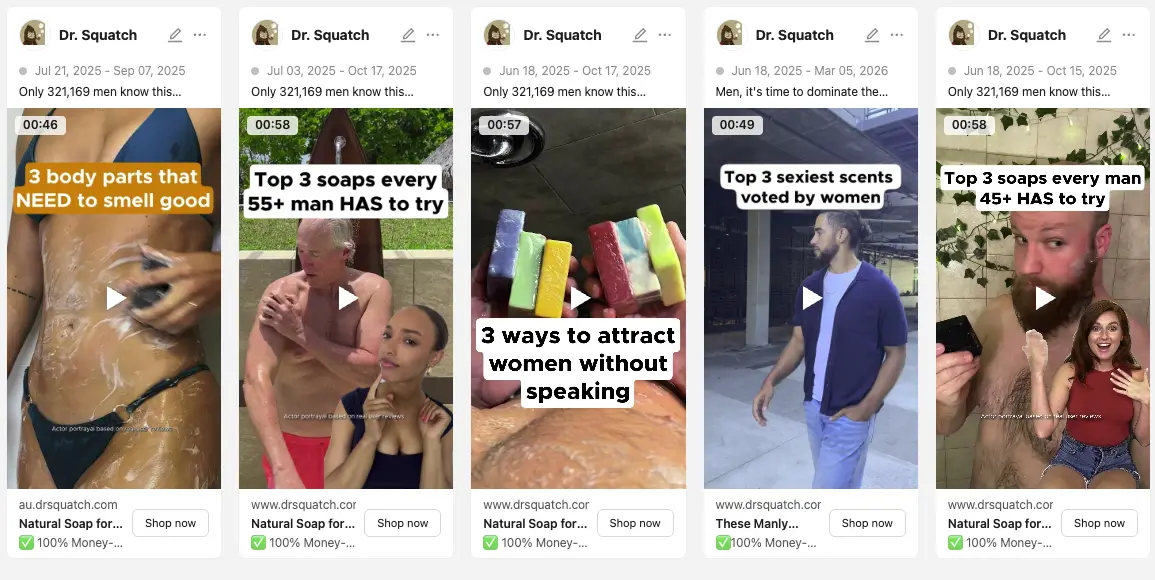
The 3 videos on the right are from June 18th, and the other 2 on the left are from July.
The 45+ and 55+ are a very clear iteration, just changing the avatar.
LAYER 1: Just iteration → Super small change
LAYER 2: for example switch from before/after image to video (pull the learning from the winner and build on top of it)
LAYER 3: Complete new hypothesis → I see our competitors running these ugly ads, we’ve never tried, let’s shoot 3.