
Course · Media Buying I
5.5) TESTING I
Advanced Meta Media Buying I:
5.5) Meta Ads Testing I

Structure of this module:
- Why testing is the most important thing
- How to come up with testing ideas
Magicbrief introduction (Full Module After) - My testing framework
- Other ways to test
- What metrics to look into, When a winner is a winner? When a winner is a scalable winner
- Testing as a weekly habit
- How to track your previous tests and stay organized?
1) Why testing is the most important thing
In a dream world, winning ads would last forever.
The CPA would never go up. The ROAS would never go down. And Meta would always find more buyers for you.
But in the real world, things don’t work like this.
If we care about scaling, testing is the most important thing.
As I mentioned in the ad account structure module,
The goal is to spend a lot of money, profitably.
To do so, we need “Scaling Campaigns”.
And these scaling campaigns are risky, so they can only be built with winner ads, ads that are tested and validated.
To have them, we need a “Testing Campaign”.
At this point, it’s very clear that, at some point, winning ads die. The ROAS goes down, we have ad fatigue and people get tired of seeing the same ad again and again.
Therefore, we NEED a structure that is pumping NEW winning ads every single week.
“Profitable and consistent scaling comes from smart testing”
2) How to come up with testing ideas
Now we know that testing is very important.
But testing is expensive.
And many times, it’s not profitable.
When it comes to testing in Meta Ads you MUST be intentional and smart.
Only test the most relevant variables.
To do so, you need to know how to come up with testing ideas.
How to come up with testing ideas: Starting from zero
If you have no previous winning ads for a specific product, I recommend you check your competitors and model what it's working for them.
Example: New sunglasses brand
- Product: sunglasses
- Price point: 49-149€
- Country: Spain
- Find the top players (similar to your product)
You need to have this list from the research framework sheet. Make sure they are big with the similar web chrome extension and the number of ads in the ads library.
Brands: Meller, Hawkers, CHIMI - Check their ads library
- Find the most repeated ad format and message
Meller → Face photo with png product below in white background
Hawkers → Do collections and drops with a selection of products, collaborate with influencers, and head images
CHIMI → product images, product carousels - Decide what you can test
→ Face photo with png product below in white background
→ Hire Maria to take 1 selfie with each one of my 5 sunglasses, and then I edit it with Canva
How to come up with testing ideas: When you already have winning ads, but need to produce more of them every week
Even if you have winners, I still recommend you use the strategy above.
And then, as you have winners, also focus on…
Making babies out of every winning ad.
Winning ad:
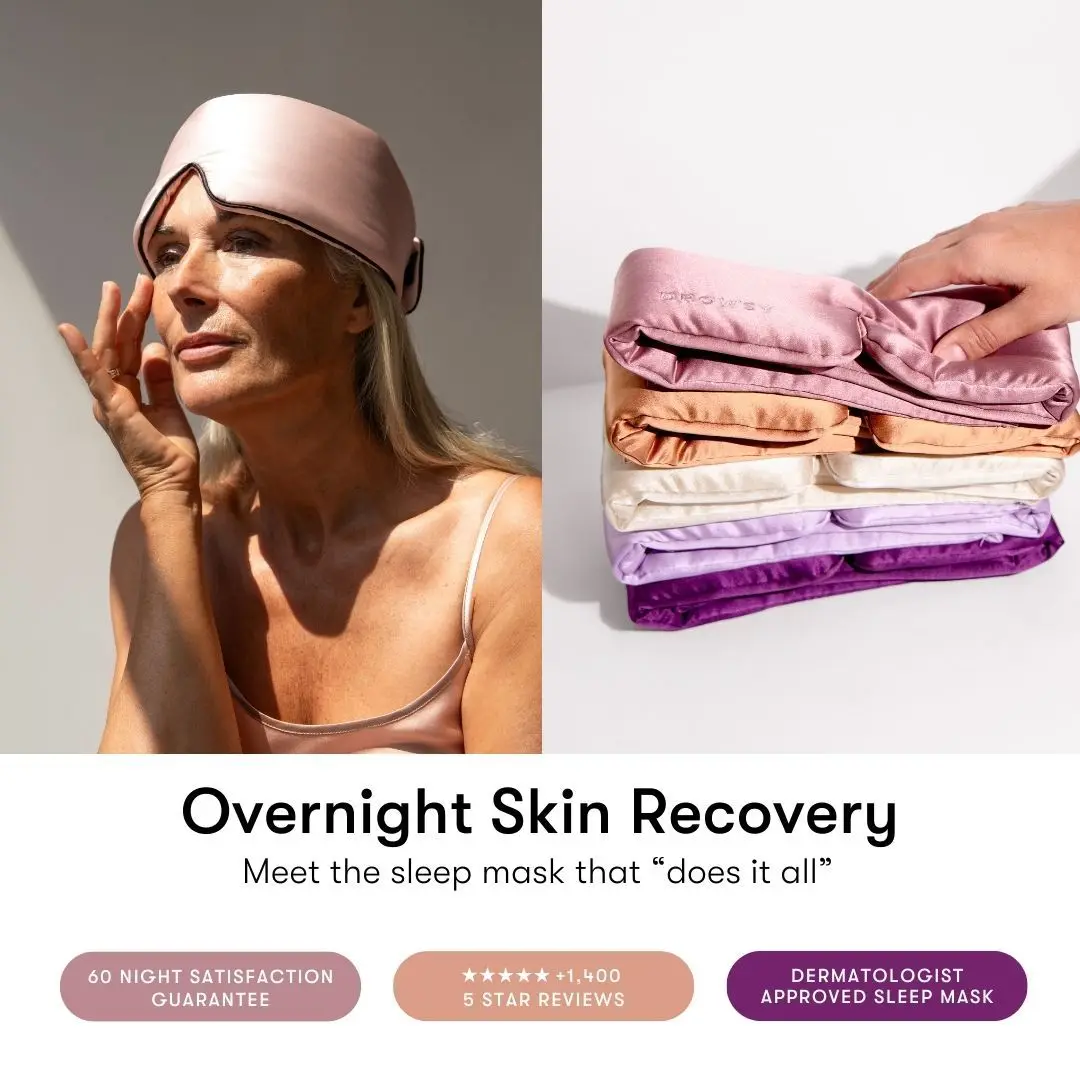
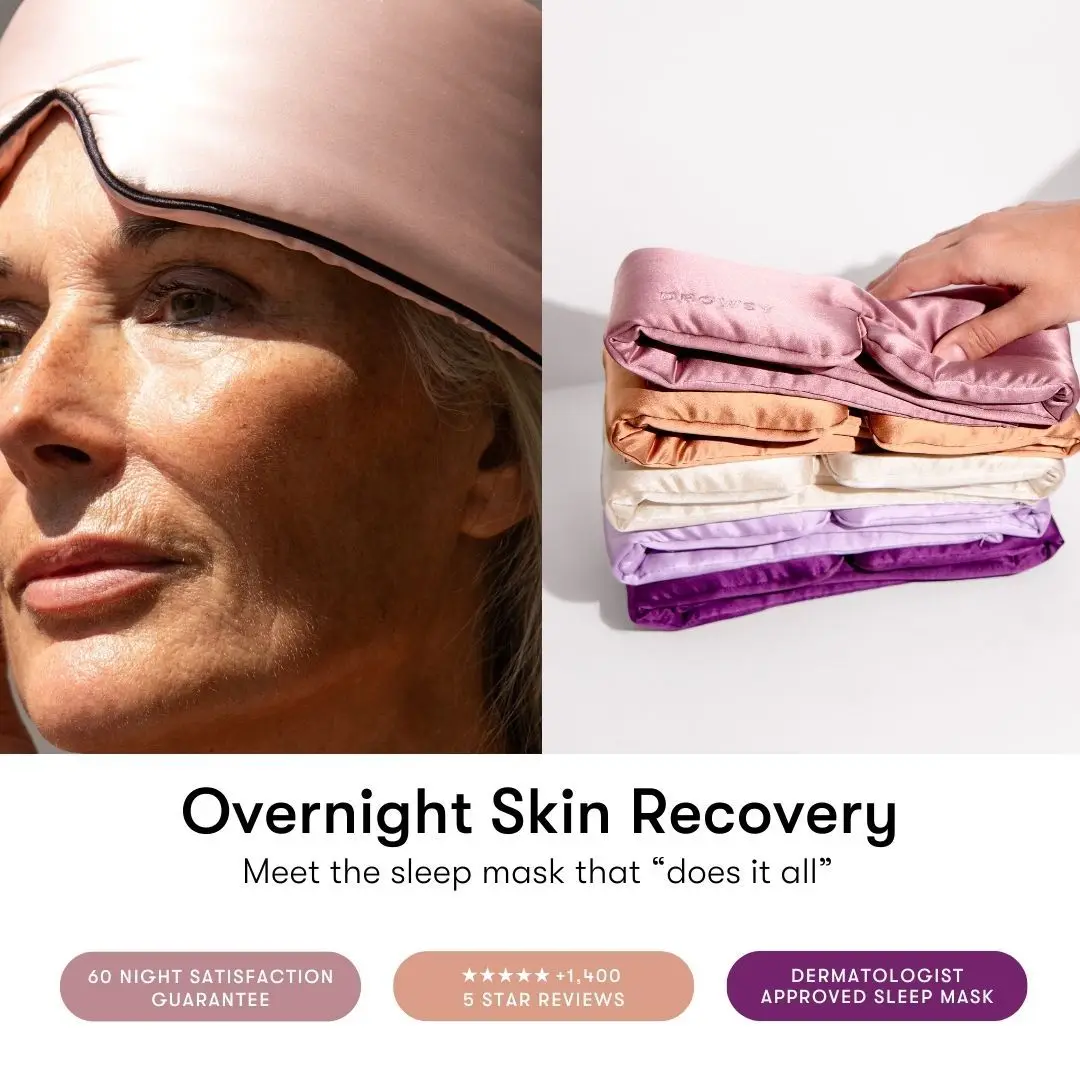
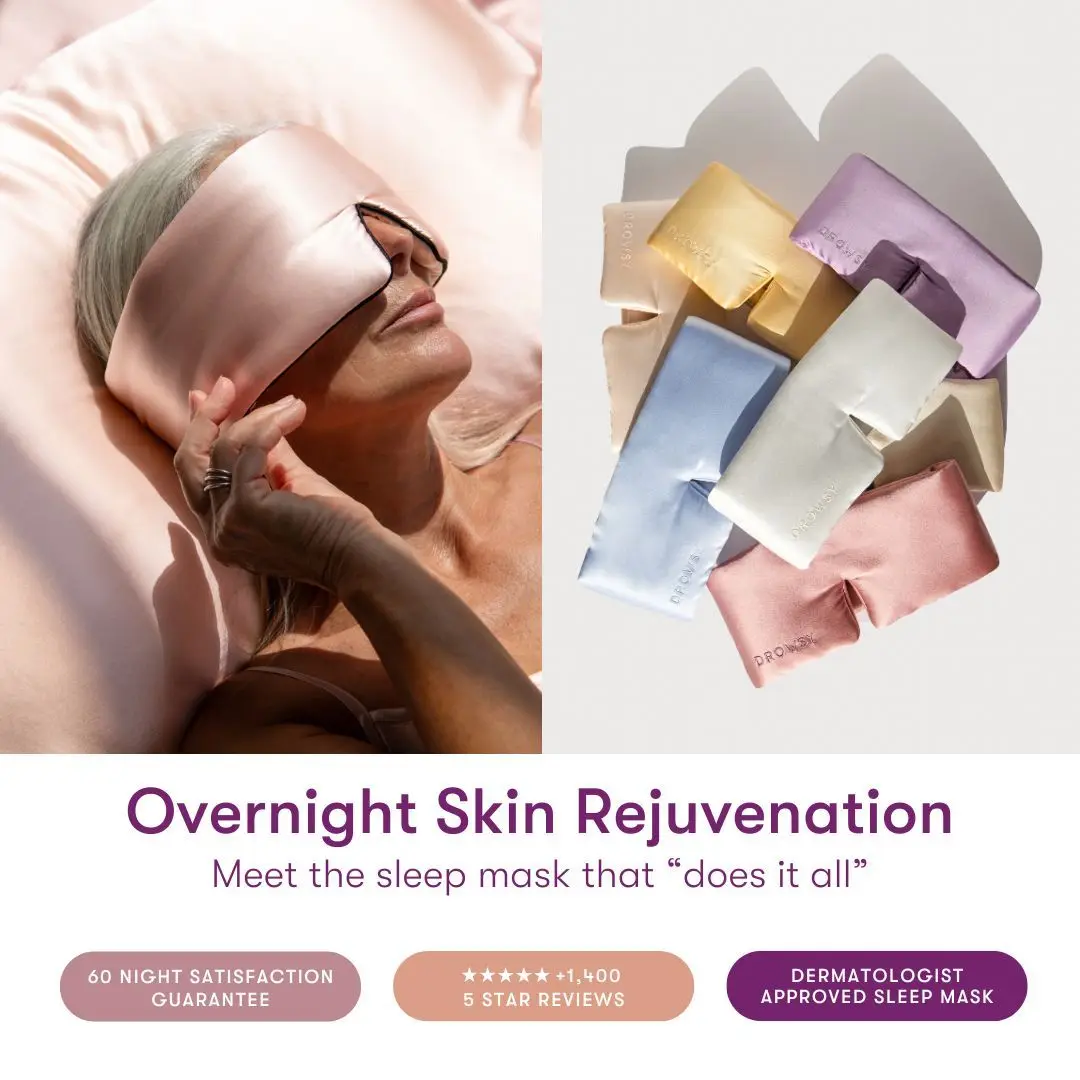
Understand why it’s a winner: we talk about skin recovery and we show an old woman with good skin, because our target market cares about good skin.
What could be a new version of this ad? Ah! Just zoom in to make the skin more visible!
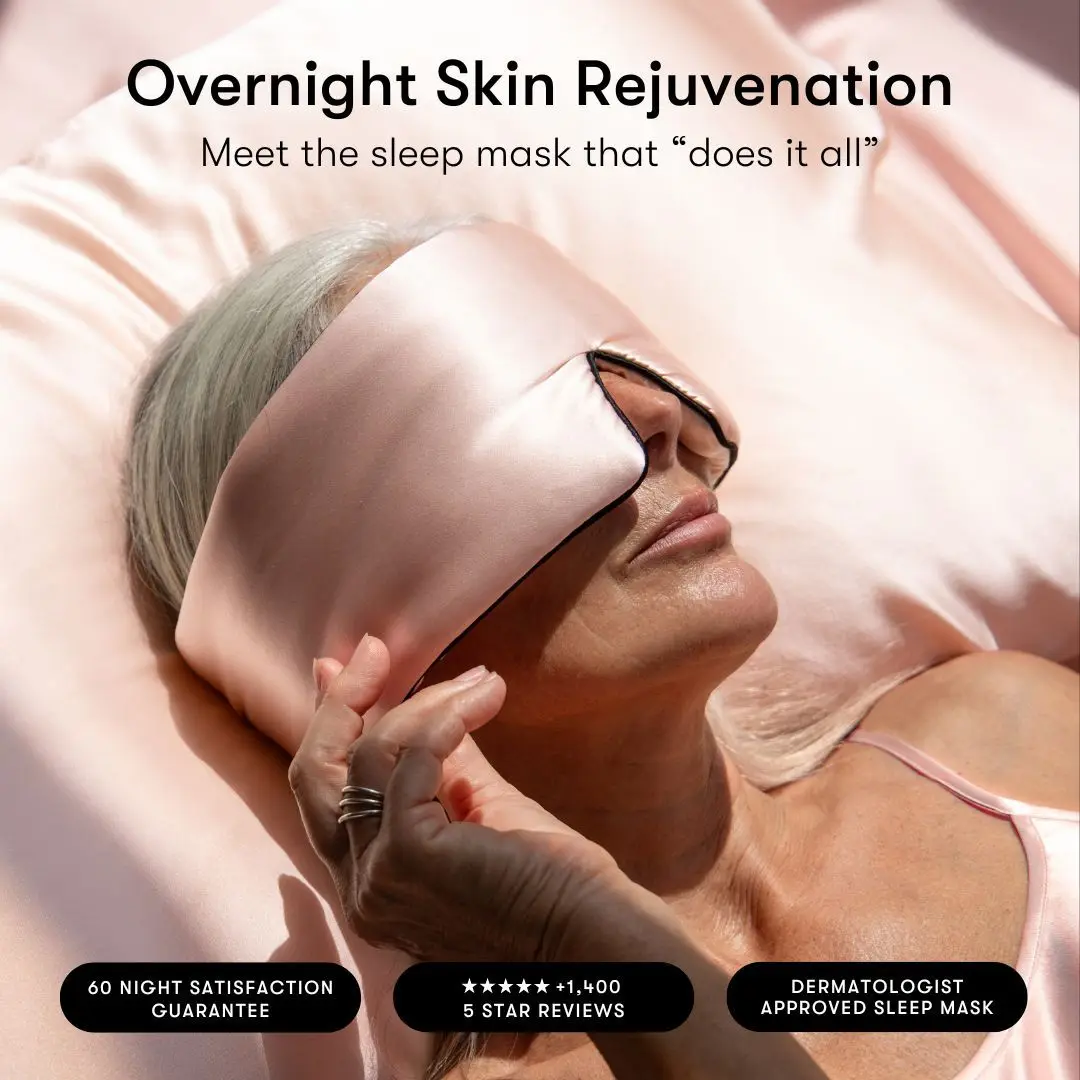
And why not, another one can be just showing this woman using the product:
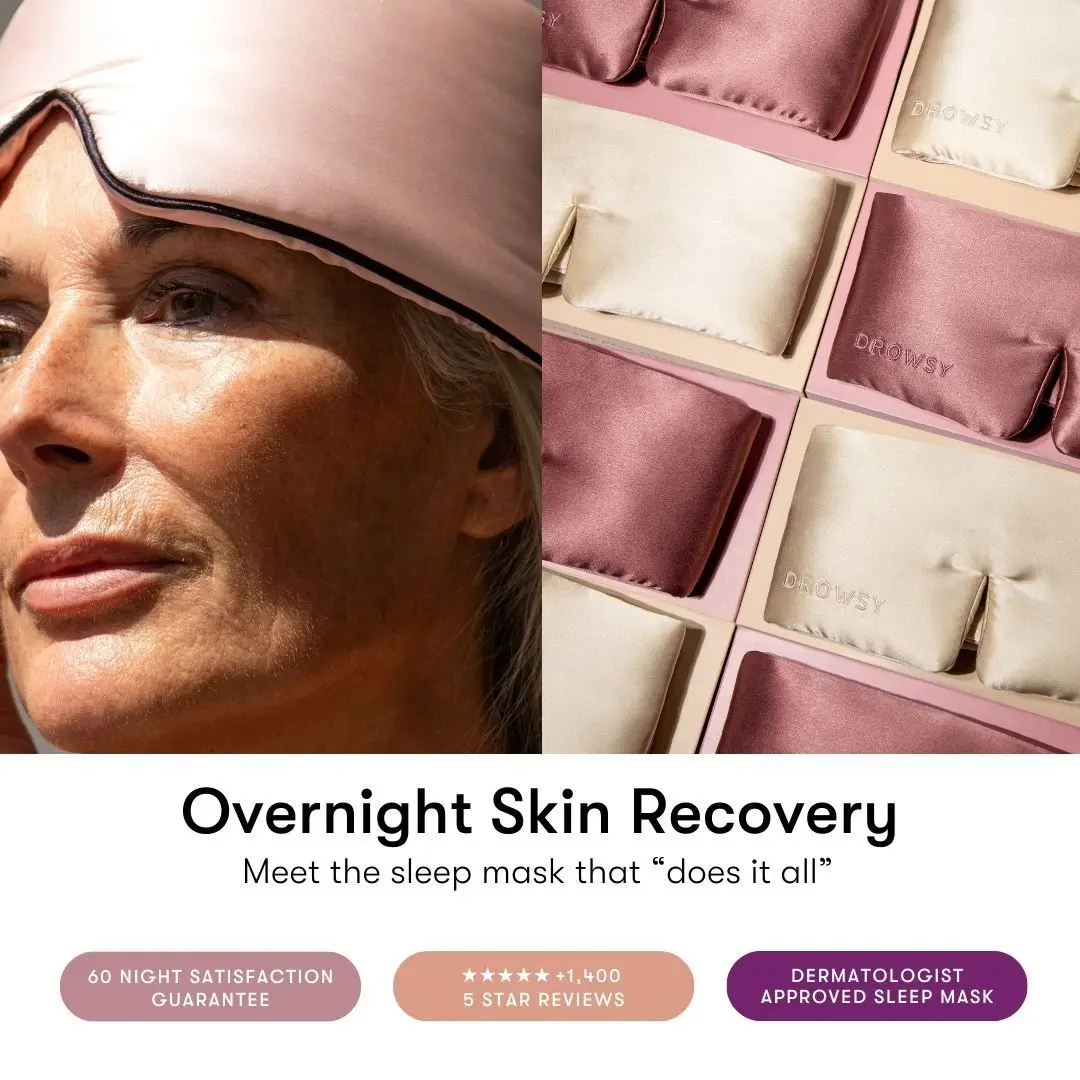
We can also add variables of the 2 images and keep the text the same:
The amount of new creatives from the winning ad is infinite.
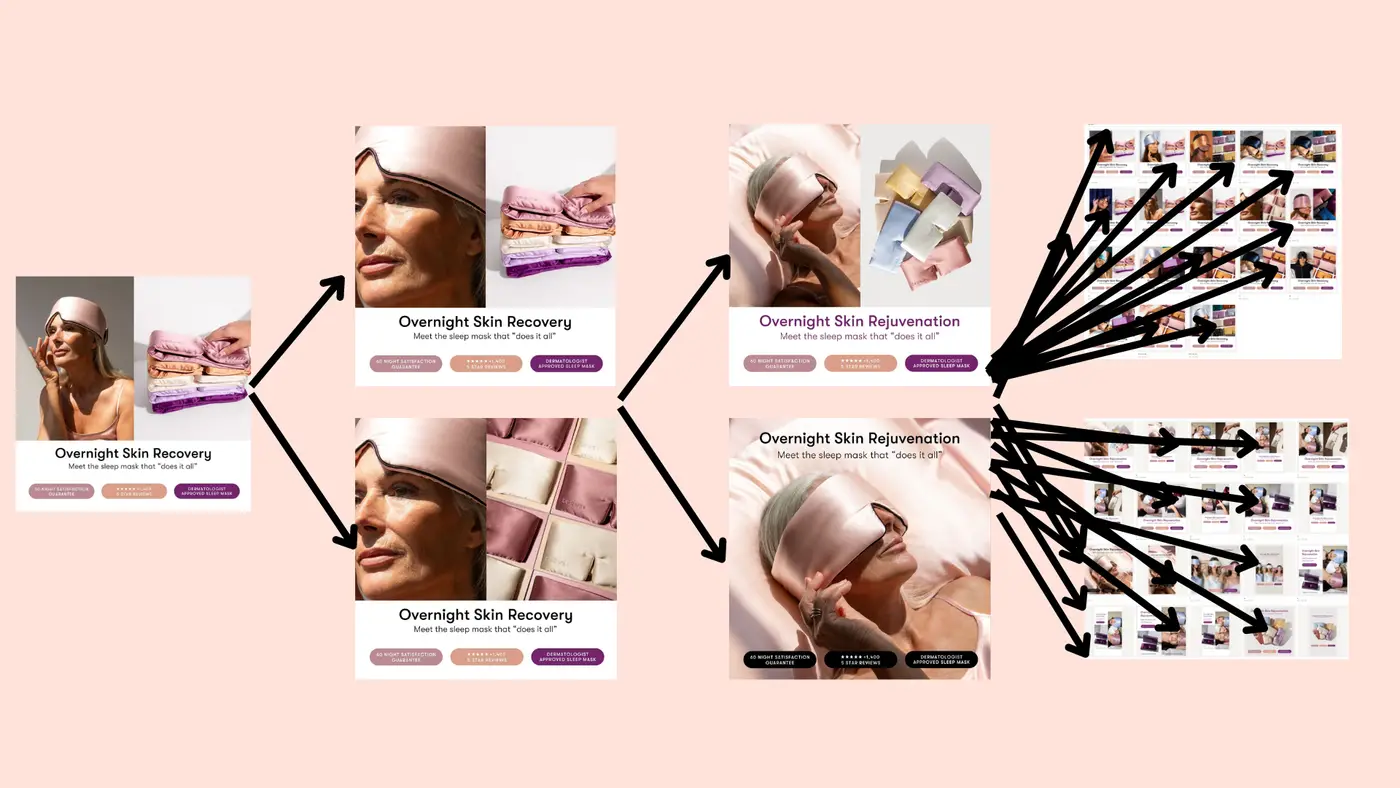
It’s very important that you understand this “making babies out of winning ads” strategy because we will use it in the horizontal scaling strategies.
Let’s do another example with video.
Imagine we are selling skincare products, and our winning product is an antiaging serum.
We have this winning video:
- Creator: Emily
- Length: 30s
- Hook: Emily showing her wrinkles with a worried face, and a voice over audio where we hear “if you are less than 60 and have deep wrinkles, this is for you”
- Body: Emily talking to camera, while applying the product, she explains the discovery of this serum and how she tried everything.
Now I’ll give you the “infinite” variables that we can play with, and from there, we can start making babies out of this winning ad.
- Change the hook
Keep the same body, but test 3 different hooks.
For example, put a hook where she is talking instead of a voice over.
Or for example, use a random hook that grabs attention. Like the ones in this library:
https://app.magicbrief.com/library/share/collection/418f28ce-64f3-4331-9980-37e3d1148b98
(We’ll cover hooks in the ad creative modules)
Another hook would be a 2+2 second transformation where in the first 2 seconds you show some very ugly skin with wrinkles and dark spots, and in the next 2 seconds you show what they want: glass skin, soft, glowing, etc. and you put an AI voice over that says “If you want to go from this, to this, this video is for you”.
Hooks are also infinite. Just put your attention into your target audience. What are they really worried about? What will grab their attention fast?
- Change the creator
Keep the hook, the script, the editing, the format and the length exactly the same, but change the creator. - Change the length
Make it 15s and make it 1 minute. - Change the body of the video
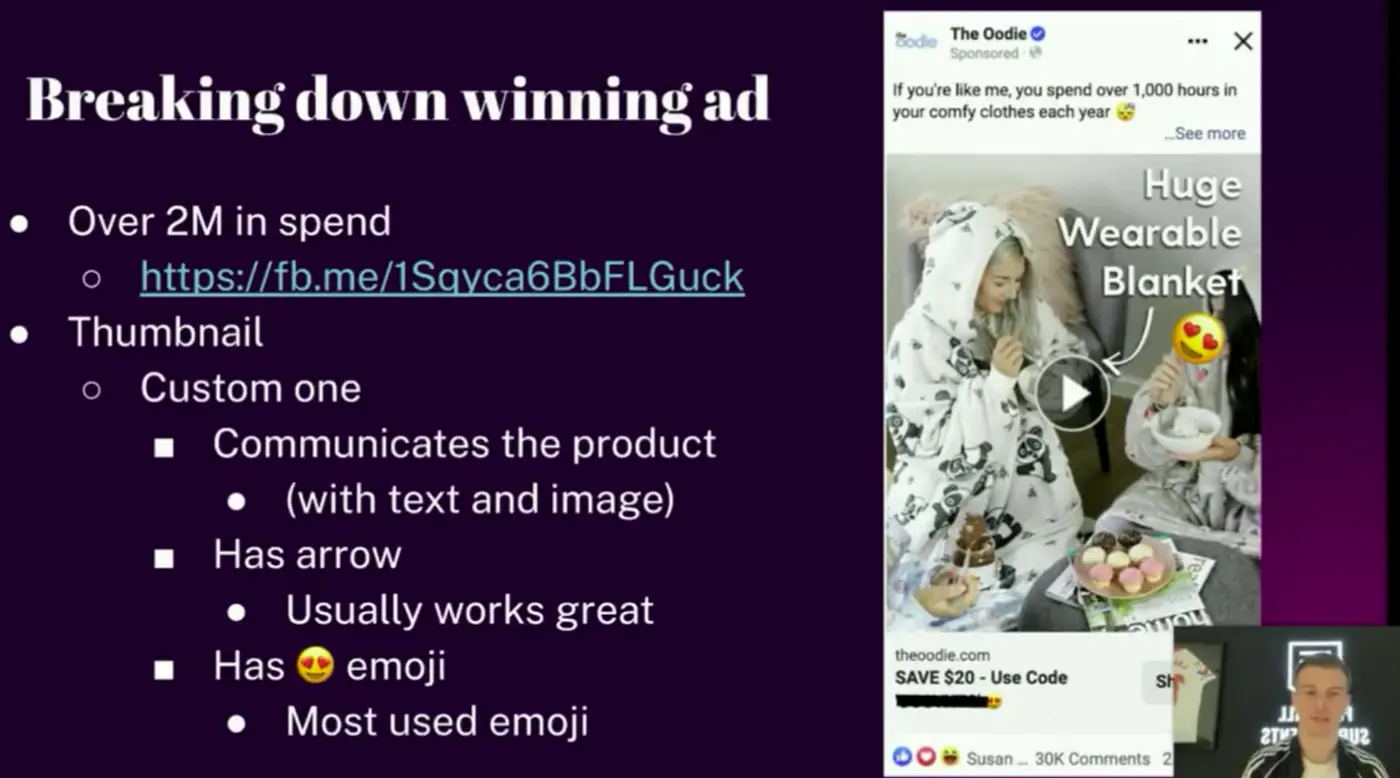
Instead of talking to the camera and explaining how she uses the product, make a “did you know that…” type of body where you explain curiosities about skin aging, and how dangerous it is to not use the right serum. - Just change the thumbnail
This has a big impact because it’s the first second of the ad. The other day I saw this tweet:
At The Oodie they edit images to put them as thumbnails, see how deep they work. - And many more small changes…
Magic Brief introduction (Full Module After)
- Facebook Ads Library on steroids
- Organized and with filters
- = Find infinite ad ideas